
How much does carpet cost?
Carpet Cost Guide: Pricing and Factors to Consider
The cost of carpeting a room can vary greatly and will depend on a number of variable factors. First and foremost you will need to identify if you are purchasing wall-to-wall carpeting that will require professional installation, or merely an area rug which does not require professional installation. Typically a full-service wall-to-wall carpet project (one that includes delivery and installation) will include 4 primary price components:
- The cost of the carpet material itself
- The cost of the cushion that goes below the carpet
- The cost of Labor (delivery, installation and additional services such as furniture moving)
- The cost of transitions, trim or other accent pieces
Carpet Material Cost
The cost of the carpet material will vary depending on the brand of carpet you choose, fiber the carpet is made of, the quality of the carpet construction, the color & style of the carpet, and the warranty covering the carpet.
Carpet Cushion Cost
The cost of the cushion will vary depending on the thickness and weight of the cushion, the quality of the cushion construction, if the cushion has a moisture barrier, and the warranty covering the cushion.
Carpet Labor Cost
The cost of labor for your project will vary depending on the size and scope of your project.
Delivery often varies depending on distance from the Flooring America/Flooring Canada warehouse and the amount of materials required.
Installation costs will vary depending on the condition of the sub floor over which the carpet is being installed and the complexity of the installation. The cost of installation may increase if work must be done to prepare the sub-floor to be installed over.
Other Carpet Costs
The cost of transitions, trim and other accent pieces will vary depending on which trim products you choose, how many pieces are required, and the complexity of their installation.
How do I measure for carpet?
One of the many services that separate Flooring America/Flooring Canada from the competition is our complimentary home-measuring service. There are many factors that can influence how much carpet you will need for your space and which product is right for you, so avoid the headache and let us measure and assess your space for free!
A professional home-measurement must be conducted by one of our FAFC certified flooring consultants or estimators if you would like us to professionally install the product. This is to ensure we order exactly the right amount of material for our installers to
If you wish to identify how much material you need by yourself you will need to find out the exact width and length of your space in feet and inches. You can use a standard tape measure or a laser measuring device. Multiply the width of your room by the length to determine the total square feet of the room.
If your space is not a simple rectangle you will need to measure the length of every wall and break the room into small rectangle shaped sections to make it easier to calculate your square footage. Carpet is typically manufactured in 12 foot rolls and as a result there will often be waste material created by cutting the carpet roll to fit your space. To account for this waste you must order at least 10% more square feet of carpet than the actual size of your room.
Typically the more windows, closets, corners and other unique features a room has will require more extra square feet of carpet.
How long does carpet last?
Why is my new carpet shedding?
The balls of fluff, or loose fibers, found on carpet or in the vacuum cleaner bag are the normal result of fiber left in the carpet from the manufacturing process. Removing these loose fibers does not affect carpet life or appearance. Because of their large size, these fibers are too big to become airborne or to be breathed in. With proper vacuuming and using a quality vacuum cleaner, most shedding gradually disappears within the first year after installation.
Why does my carpet seem to change color when I look at it from different directions?
Light reflects differently as the pile is pushed in different directions. Foot traffic generally causes this, and the best solution is to sweep or vacuum the pile in a uniform direction.
Some tufts are longer than others. What should I do?
Just snip the end to even the carpet surface. Never pull out long or loose ends as this can permanently damage your carpet. If a tuft becomes snagged or works loose, simply cut it off and let the surrounding yarn fill in the space.
What can I do about static shock?
When a room’s relative humidity is very low, a static charge can build up in your carpet as you walk across it. If this occurs, a humidifier or other commercially available products can help.
How can I avoid permanent indentations?
Your carpet pile may compress due to heavy foot traffic or weight of furniture. Rotating furniture may help reduce indentations. You can work the pile back into place with the edge of a coin. Sometimes, passing a hot steam iron over the spot can also help, but keep the iron at least four inches above the carpet.
What is the difference between high pile and low pile carpet?
If you examine a carpet carefully, you’ll notice that the surface is comprised of many individual fibers. These fibers are sewn into the carpet’s backing at both ends, creating a sturdy hoop or loop shape. Depending on the carpet, these loops can vary in height, density, and texture. In carpet industry terminology, this is known as “pile” or “rug pile.” The fibers of a high pile carpet are tall and elongated, with a lower density. Shag carpeting is a classic example. By comparison, the fibers that make up a low pile carpet are shorter and more tightly packed together, creating a smoother, flatter appearance.
What is low pile carpet?
The “pile” of a carpet refers to the height and density of its individual fibers. The term “low pile carpet” describes any carpet made from short fibers that are sewn together in tight, dense rows. This creates a uniform, even appearance, with a texture that is smooth to both the eye and the touch. Low pile carpet is often recommended for children’s rooms, rooms with heavy foot traffic, and hallways.
What is high pile carpet?
Do I have low or high pile carpet?
It makes sense to know whether you want high pile or low pile before you go carpet-shopping. But if you’ve already purchased the carpet, determining pile is important, because it can help you decide how to use the carpet. For example, if you determine that you have a high pile carpet, you’ll likely want to avoid placing it in a muddy or heavily-trafficked area, since the long, fluffy fibers can be a somewhat tougher to keep clean. For heavily-trafficked areas, low pile carpet is perfect. However, for a more plush, cozy feel — in areas where you may read and relax — high pile may be a better option.
What vacuum should I use on low pile and high pile carpet?
Some high-tech vacuums can cost close to a thousand dollars (or more). Fortunately, you don’t need fancy bells and whistles to keep your low pile or high pile carpet looking great — just a few basic features. Look for a lightweight vacuum with wide, sturdy wheels. These features will allow you to maneuver the vacuum more easily. Ideally, we recommend using a model with adjustable height and motor speeds, though brush roll control is optional. Most vacuums have adjustable settings (such as “high” and “low”) that are designed for use on different floor or carpet types.
How do I choose a good quality carpet?
To some extent, “quality” is about your personal style preferences — but there are also objective quality standards you should pay attention to when shopping for a carpet. For example, durability and performance. No longer is the quality identifier just the fiber type as technology and innovation has made yesterday’s fibers from ordinary to extraordinary. You should consider pile height, density, twist, weight, and ply of the fiber. Along with construction of carpet, you should also pay attention to carpet warranties. A good, quality carpet should offer a solid warranty coverage that protects against events such as spills, stains, and wear. A warranty lets you know that the manufacturers are quality-focused, and that the carpet was designed to withstand normal wear-and-tear while retaining most of its fibers. A Sales Professional at your local Flooring America can help you find a good quality carpet for your needs.
How do I choose a carpet color?
How are carpets installed?
The answer to this question depends on factors like what types of carpets are being installed, what types of floors are underneath, and the shape and size of the room where the carpet is being installed. Regardless of these factors, installing carpets can be a big (and sometimes messy) job, so it’s best left to the professionals — especially if you’re redoing your home in order to show or sell it!
How long should I wait to put furniture on new carpet?
Each home flooring project is unique. However, there is no waiting period to place furniture back on the new carpet! People can also walk on the carpet immediately after installation. Also, It would be helpful to walk around the newly carpeted room with your installer for a final inspection.
What's the best way to clean a white carpet?
How do I keep carpet clean?
Regardless of what sort of carpet you have, the best way to keep it clean is by following the manufacturer’s recommendations. These recommendations vary by brand and product line, depending on factors like the “pile” (height) of the carpet and what materials the carpet is made out of. If you have questions about how to keep your new carpets clean, just ask our knowledgeable flooring experts for tips.
How often should I clean my carpet?
It’s not just how you clean your carpet that’s important, but how often. As always, it’s best to refer to the manufacturer’s recommendations, which might suggest cleaning daily, weekly, or every few weeks. (Of course, you might need to spot-clean more frequently if you have accidental spills.) Some types of carpeting are more “high-maintenance” than others, but most are a breeze to keep clean thanks to technological innovations in the home flooring industry. For many products, the occasional vacuum and a touch of soapy water is more than enough.
How do I deep clean carpet?
Should I steam clean vs. chemical clean my carpet?
Steam cleaning or chemical cleaning may be more appropriate for your carpet, depending on the product. Due to product variations, we strongly suggest that homeowners always refer to manufacturer guidelines. The basic difference between these approaches is that chemical cleaning uses specially formulated solutions to help dissolve and break down substances that cause staining, while steam cleaning uses heated water vapor.
What are carpet squares?
Carpet squares, also known as “modular carpet,” are exactly what they sound like: small squares of carpeting, usually with dimensions of 18” x 18” or 24” x 24”. Carpet squares were designed to provide a lightweight alternative to traditional carpet rolls, which are considerably larger and heavier. Carpet squares have unique pros and cons, so it’s a good idea to weigh the benefits and drawbacks with an experienced professional. Our team can help you decide whether traditional carpets or carpet tiles are better for your home flooring project.
Is there any carpet that doesn’t show wear?
No-Wear Carpet Flooring: Durability and Maintenance Tips
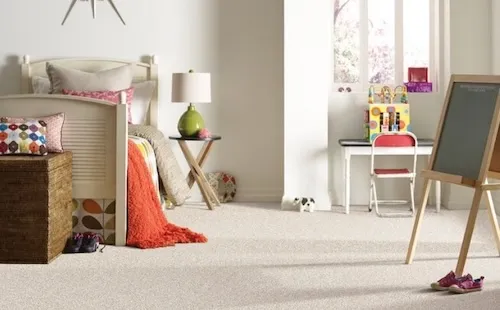
- Type of Carpet Fiber
- Budget
- Type of Room
What’s Your Style?
Carpets comes in many styles, and most of us are familiar with the idea of carpets that are flatter and smoother, called “low-pile” carpets, versus carpets that are taller and fluffier, which are known as “high-pile” carpets. However, it’s not the low-pile or high-pile designation that really impacts how to care for a carpet—but rather what the carpet fibers that make up the carpet are manufactured out of. There are four types of carpet fibers on the market today: nylon, olefin, polyester, and wool. When it comes to durability, nylon fiber and wool fiber carpets are your best options. However, as mentioned above, technology has made all types of carpet a good bet, which is a relief for when you’re shopping!Budget Concerns
If budget is understandably a concern, polyester fiber carpet can be a great fit for your home. Polyester carpet is known to deliver the luxury look and feel—but at a cheaper price point.Where Is Your Carpet Going?
The type of room you’re carpeting will also factor heavily into your decision-making. Obviously, stairs get the most foot traffic (hello, stomping!), and living rooms, bedrooms, and offices can get a lot of general wear and tear as well. Low-pile carpets of any fiber are good for those crowded areas of the home, as are wool and nylon carpets.The Carpet Experts
No matter what your questions are about carpet, whether it’s what type of fiber to choose or what kind of fabric loop, the folks at your local Flooring America are here to help. They’ll answer any questions you may have about carpet installation and upkeep, and guide you toward the best carpet for your busy family, today.What is the difference between rugs and carpets?
Navigating the Choice Between Carpets and Rugs
Welcome to the flooring dilemma. You’re probably here because you’re planning to install new flooring, but you’re torn between carpets and rugs. Well, you’re in the right place because, at Paracca Interiors, we are passionate about helping people like you make informed decisions about their flooring needs. Choosing between carpet vs rugs may seem like a simple decision, but the implications for your living space are anything but. The words “rug” and “carpet” are often used to describe soft surface floor coverings, and understanding their differences is essential for creating a cohesive and aesthetically pleasing space. In this flooring decision guide, we’ll explore the discrepancies between each floor covering along with carpet and rug placement tips and upkeep requirements so that you can choose the perfect floors to fit your lifestyle.Understanding Carpets and Rugs
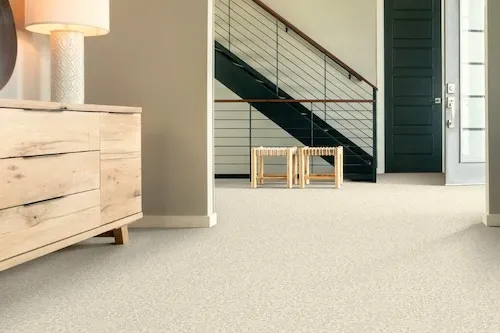 Carpets and rugs are both excellent choices, but they each have their unique attributes. Carpets generally take up the entire floor as they’re installed wall to wall, providing a uniform look and feel. Rugs, on the other hand, are versatile and can be placed in selected spaces, offering more flexibility in design and style.
Carpets: A Closer Look
Carpets are known for bringing warmth, comfort, and insulation to any space. They come in a variety of styles, textures, and colors, allowing you to tailor your floor to suit your aesthetic desires and practical needs. They also contribute to noise reduction, making them a top pick for high-traffic areas or rooms where acoustics matter. There are many carpet styles and varieties and they’re available in several pile heights. High pile carpet, which is typically longer and more shaggy, is often found in plush fibers such as Saxony, creating a luxurious feel underfoot. Medium pile carpet has a balanced height that offers comfort while being easier to maintain. Low pile carpet, with its short and tight fibers, is highly durable and ideal for high-traffic areas. Carpets also come in several tuft types: cut pile carpet and loop pile carpet. Traditional cut pile carpets provide a soft, inviting texture, while loop pile carpet offers a more durable and textured appearance, perfect for adding visual interest and resilience.Rugs: A Closer Look
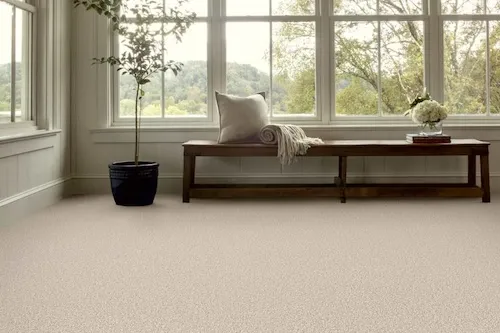 Rugs offer unmatched versatility. They come in many styles, sizes, and shapes, and they can be moved, replaced, or layered much easier than carpets. Rugs can be used to add color, patterns, or texture to a room, and they can be swapped out seasonally or according to your mood.
Understanding different rug types and placement is crucial for enhancing your home’s decor. For instance, area rugs are ideal for defining spaces in open floor plans, while runner rugs work perfectly in hallways and narrow spaces. Choosing the right size for a rug is also essential to ensure it complements your room’s dimensions and furniture layout. A properly sized rug can anchor your furniture, create cohesion in your design, and add warmth and comfort underfoot.
Rugs offer unmatched versatility. They come in many styles, sizes, and shapes, and they can be moved, replaced, or layered much easier than carpets. Rugs can be used to add color, patterns, or texture to a room, and they can be swapped out seasonally or according to your mood.
Understanding different rug types and placement is crucial for enhancing your home’s decor. For instance, area rugs are ideal for defining spaces in open floor plans, while runner rugs work perfectly in hallways and narrow spaces. Choosing the right size for a rug is also essential to ensure it complements your room’s dimensions and furniture layout. A properly sized rug can anchor your furniture, create cohesion in your design, and add warmth and comfort underfoot.
Factors to Consider
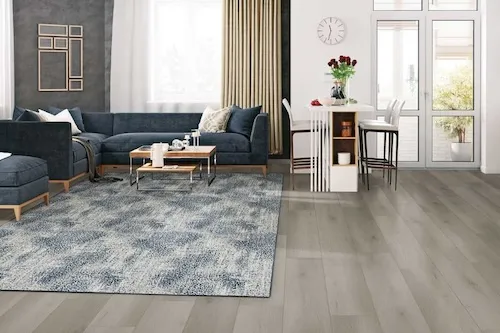 Choosing between carpets and rugs isn’t just about looks. Room size considerations are crucial to your decision-making process. Think about the size and function of the room, the design and aesthetics of your space, and your budget. Certain types of rooms are better suited to either carpets or rugs, and each one brings a different look and feel to your home.
Benefits of Carpets
Overall, carpets provide a versatile, comfortable, and aesthetically pleasing flooring option for various rooms in your home. Benefits include:- Comfort and insulation for ultimate softness underfoot.
- Noise reduction with carpets makes them a great choice for family rooms, bedrooms, and offices.
- A broad range of options in terms of color, texture, and pattern allows you to match them seamlessly with your interior décor.
- Easy to keep clean—simply vacuum regularly to remove dust and allergens and occasionally deep clean to keep your carpet looking fresh and extend its lifespan.
- Improved safety by providing a non-slip surface and a cushioned landing for falls, makes carpeting ideal for homes with young children or elderly residents.
- Contribute to better indoor air quality by trapping dust particles and allergens, preventing them from becoming airborne.
Benefits of Rugs
Rugs are not just stylish flooring choices, but also practical in their benefits. Rugs tend to bring versatility and flexibility to your space. You can move them around, swap them out, or layer them for a unique look. Other advantages to rugs include:- Ease of Maintenance: Their maintenance is easier compared to carpets, making them a practical choice for busy households.
- Comfort and warmth: They add a layer of comfort and warmth, making hard flooring like tile or hardwood more cozy and inviting.
- Floor protection: They protect underlying flooring from scratches, spills, and wear, prolonging the life of your hardwood or tile floors.
- Budget-Friendly: Rugs are budget-friendly flooring options, making them an affordable way to enhance your home’s decor.
- Ease of replacement: Unlike wall-to-wall carpeting, rugs can be easily replaced when they become worn or when you want to update your decor.
Making Your Decision
Real-Life Examples
To help make your decision easier, we’ve compiled a list of ways to effectively use both carpets and rugs in your home:- Layering in the living room: Place an area rug on top of a carpet in your living room to add depth and dimension.
- Defining spaces in the dining area: Use area rugs over wall-to-wall carpet to define your dining table and set it apart from the larger dining room.
- Creating textural contrast in the family room: Pair a soft, plush area rug with a low-pile or Berber carpet to create a pleasing contrast in texture.
- Enhancing comfort underfoot in the bedroom: Add an extra layer of softness and comfort with a thick area rug on top of a carpet, especially in areas of the bedroom where you frequently walk or stand.
Shop for Carpets and Area Rugs at Flooring America
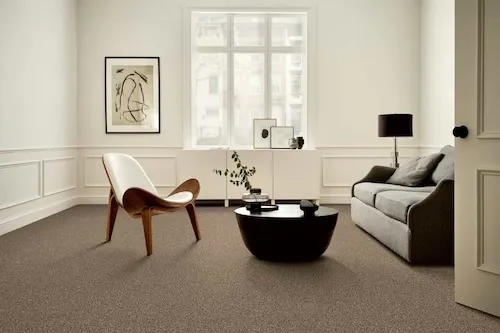 Perhaps the most important point to remember when considering carpets vs rugs, is that it’s essential to evaluate each option based on your specific needs and preferences. No matter which one you choose, you’re making a decision that impacts the style, comfort, and functionality of your space. But don’t fret too much because, with the help of the experts at Flooring America, you’ll be on your way to selecting the best flooring for your home in no time!
After reading this guide, we hope you’re feeling empowered and informed about your flooring decision. Ready to take the next step? Shop our catalog or call or visit your local Flooring America showroom and get a free pre-measure today.
Perhaps the most important point to remember when considering carpets vs rugs, is that it’s essential to evaluate each option based on your specific needs and preferences. No matter which one you choose, you’re making a decision that impacts the style, comfort, and functionality of your space. But don’t fret too much because, with the help of the experts at Flooring America, you’ll be on your way to selecting the best flooring for your home in no time!
After reading this guide, we hope you’re feeling empowered and informed about your flooring decision. Ready to take the next step? Shop our catalog or call or visit your local Flooring America showroom and get a free pre-measure today.
Carpet and Area Rug FAQs:
What is carpet face weight?
Carpet Face Weight: What You Need to Know
Face weight is the carpet pile per square yard of carpet, measured in ounces. The face weight does not include the backing materials, only the weight of the carpet fibers. This is important to understand because different types of fibers will have different weights, and comparing two carpets made of different materials will not paint you a full picture of carpet quality. In addition, face weight should not be confused with a carpet’s total weight, which includes the weight of the backing and the carpet fibers.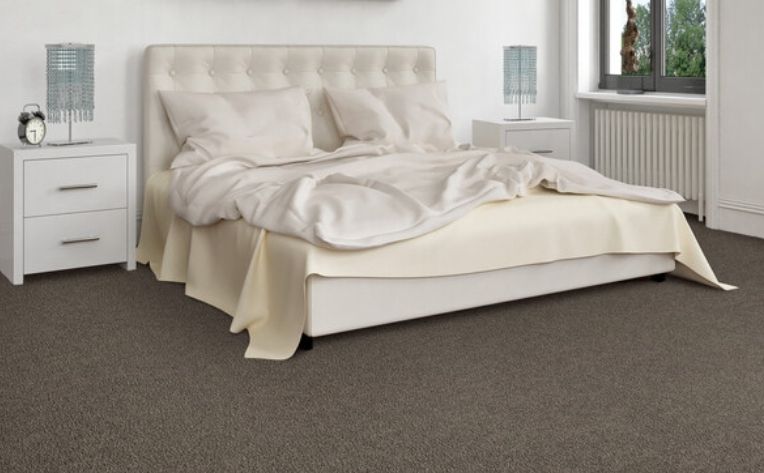
Simplifying the Meaning of Face Weight
Here’s a way to think about this in simple terms: Imagine you had two T-shirts of the same style, size, and material. These two shirts are identical, except one is thicker than the other. Comparing the thickness or the weight of the two shirts would be equivalent to comparing the face weight of two carpets. If the two shirts, or the two carpets, were made from different materials, then comparing their face weight or thickness alone wouldn’t necessarily tell you which has better quality.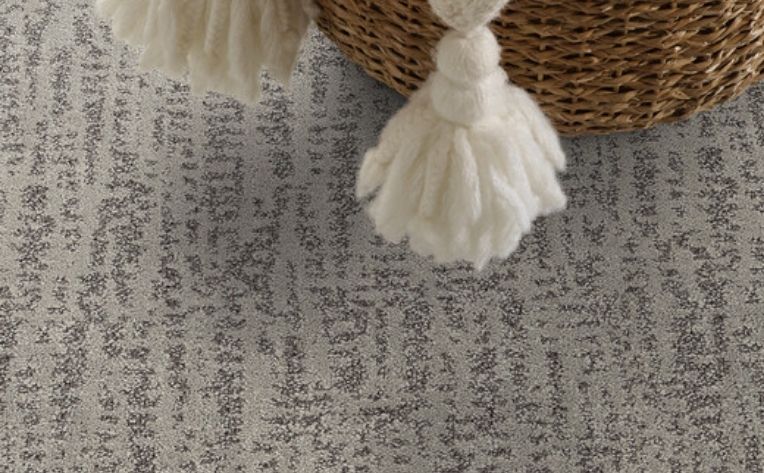
Factors to Determine Carpet Quality
People looking for new carpets often think that face weight is a determining factor in carpet quality, but this isn’t always the case despite being a key selling point. The face weight of the carpet doesn’t mean that it is more durable or that it will last longer. In fact, a carpet with a lower face weight might outlast a carpet made of different materials with a higher face weight because of the construction and characteristics of the fibers. For example, Berber carpets often have lower face weights than Saxony carpets. A Berber carpet with a lower face weight might outlast a Saxony carpet with a higher face weight. Factors to consider, in addition to face weight, in determining the quality of a carpet include fiber twist, fiber type, density, durability, and carpet style. By taking a look at all of these factors together, you will get a holistic understanding of the pros and cons of the different types of carpet you are considering.How is carpet made?
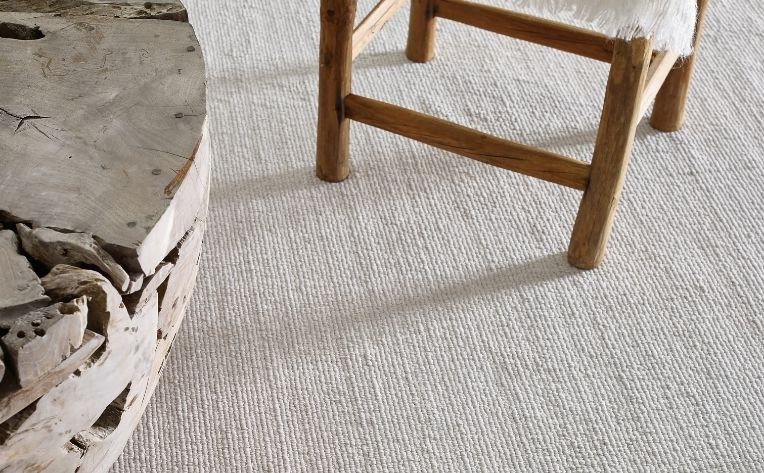 Making carpet dates all the way back to 2,000 thousand years ago when nomadic Middle Eastern tribes laid carpet-like woven fibers on the floors of their homes. Today, the United States produces more than a billion square feet of carpet each year. And most of that carpet is produced in “the carpet capital of the world,” Dalton, Georgia.
The Staple of Carpet Making
Step one of carpet making begins with a bunch of loose strands of fiber that are referred to as staples. These loose strands are heated and formed into slivers in a machine called a hopper. After being taken out of the hooper these slivers are wound into a spool of fibers. Once the fibers are prepared, the process of actually making the carpet begins.Created in the Carpet Capital
At the turn of the century, in Dalton Georgia, the tufted carpeting method was created and is now the most commonly used method in carpet manufacturing. To make carpeting tufted, the carpet fibers are woven into closed loops. This process is done by allowing a needle to push the carpet fiber through a carpet backing, a hoop keeps the carpet fiber in place as the needle moves back into the backing to create a loop. Before machines, like the 12-foot ones used today, this would be a very tedious task. If the carpet is meant to be tufted, then the carpet moves onto the next steps. If a pile cut carpet is being manufactured, an additional step is taken to cut the loops of each strand, the defining difference between a tufted carpet and a pile cut one.Curating Carpet Color
The next step in the process is often coloring the carpet, but this is not always the case. Sometimes the carpet fibers are died before the tufting process, allowing for a cohesive distribution of color. This process is called pre-dying. Other methods that are used after the tufting process include the Beck process and continuous dyeing. During the Beck process, carpets are placed in a vat of boiling water and colors are mixed into the containers. Another option is continuous dyeing, which is when rolls and sprays are used to dye the finished carpet.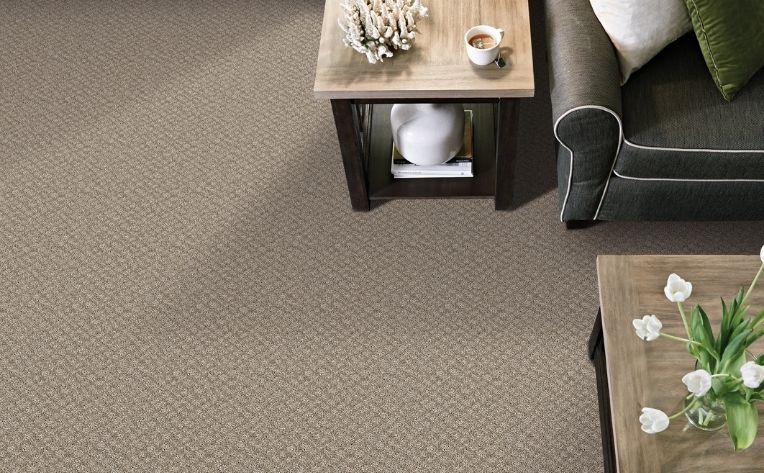
Finishing Touches
Before carpet is ready to be installed in your home, there are just a few final steps. The carpet is washed, dried, vacuumed, and any stray fibers trimmed. Lastly, the carpet is often inspected by an employee to make sure any patchy spots are filled in with a pile gun.Does carpet manufacturer matter?
Carpet Manufacturer FAQs
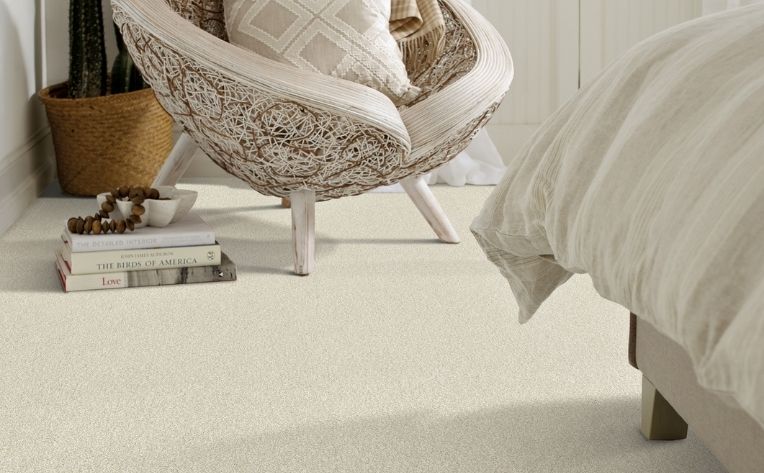
The Number of Carpet Manufacturers Has Shrunk
Fifty years ago, there were around 100 carpet manufacturers. Today there are less than 20. Mohawk and Shaw Industries are the two largest United States manufacturers and control about 70% of the North American market. This fact alone should be a good indicator that the quality of a carpet isn’t necessarily impacted by the manufacturer. Over the last five decades, Mohawk and Shaw Industries have either acquired their competitors or run them out of business, leaving them as North American industry leaders.Learning Where Carpet Is Made
It is also significant to note that most of the carpets sold in North America are manufactured in the United States, with the exception of a small number of wool carpets. Those that are manufactured in the United States are likely to be from Dalton, Georgia. Due to the fact that the majority of carpets are manufactured in Dalton, it has been nicknamed “the carpet capital of the world.”Carpet Mills Make More Than Just Carpet
With the popularity and innovation of hard-surfaced floors like wood, tile, laminate, and luxury vinyl plank, carpet mills don’t look like they used to. Many carpet manufacturers also produce these other popular flooring options inside their factories.How Carpet Is Made
Making carpet is a three-step process. Step one is tufting, step two is applying the dye, and step three is the finishing process that includes jobs like washing and vacuuming the carpet. Upon learning how carpet is made you might think that buying high-quality carpet would be very expensive. The truth is that modern-day technology makes manufacturing even the highest-end carpet relatively inexpensive.Determining Carpet Quality
If you find yourself trying to determine carpet quality, the carpet manufacturer might not be the best indicator. Instead, wholistically compare face wight, carpet density, fiber twist, type of fiber, manufacturer warranty, and carpet style.Can you put carpet over carpet?
Carpet Over Carpet: What You Need to Know
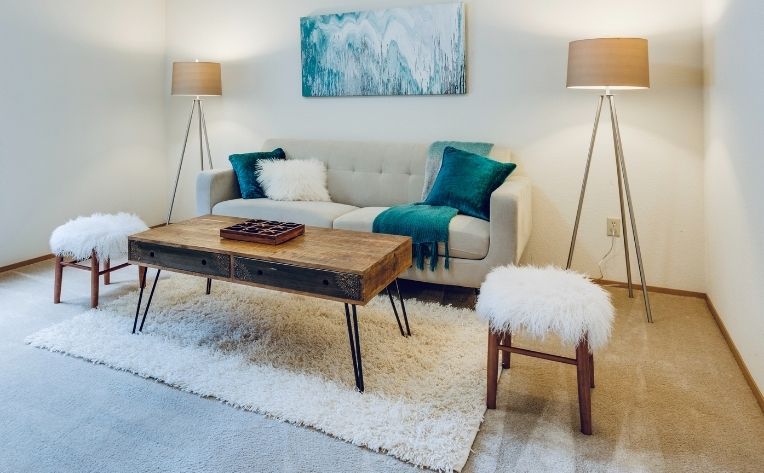 In short, it is possible to place carpet over carpet without sacrificing style or the resale value of your home. Doing so can be an inexpensive way to update your room and add a fresh pop of color, but there are some factors to consider before doing so.
Lay Down an Area Rug
The cheapest and easiest way to freshen up your wall-to-wall carpeting is to lay an area rug over your existing carpet. Completely refinishing your floors with new wall-to-wall carpeting can be a big commitment and a costly project. An area rug, big or small, can easily be rolled out and can change the whole look of your room. If your room currently has a beige or other dull neutral wall-to-wall color carpet, a bold patterned rug can provide a colorful refresh.Laying Wall-to-Wall Carpet over Wall-to-Wall Carpet
As mentioned before, new wall-to-wall carpet can be laid over the existing wall-to-wall carpet, but there are some crucial factors to consider. You must ensure that the space remains functional and safe. Meaning, doors must be able to open easily, vents cannot be blocked, and the height of the layered carpet cannot cause a tripping hazard. We recommend not laying new carpet over high-pile, plush, shag, soft, or unevenly worn carpet to avoid these hazards. The best type of carpet to do this with is low-pile carpeting. It is important to note that if your original carpet is uneven, to begin with, laying new carpet over it will exaggerate dangerous and uneven slopes, which can create costly hazards. It is more cost-effective and safer to rip out the existing carpet in this situation before laying the new carpet down.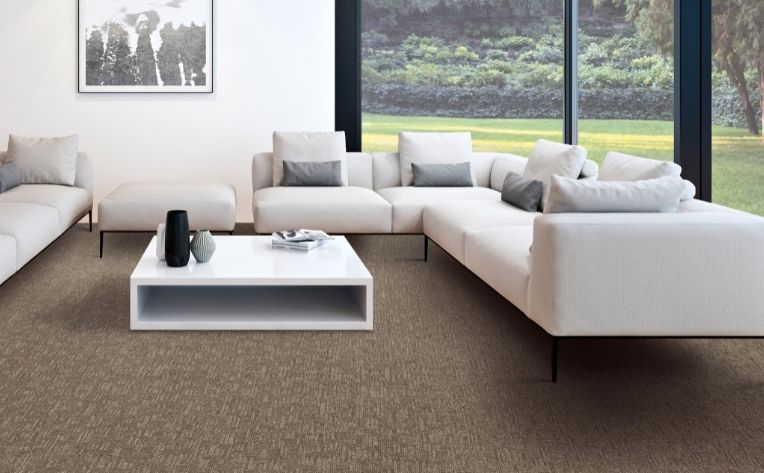
Consult Your Local Flooring Expert
To install wall-to-wall carpeting, many DIY-ers use tack strips, or wooden strips with nails that keep the carpet in place; however, keep in mind that this can put your brand new carpet out of warranty. If you decide to go the tack route, and are laying a new carpet over an existing carpet, you must remove two inches of the existing carpet around each edge to make room for a new tack strip. If there is no room for a new tack strip, concrete nails are a good alternative in addition to carpet glue. If you have to remove the original tack strip, you should consider removing the entire existing carpet, as nothing will be keeping that one in place.What is tufted carpet?
The Process
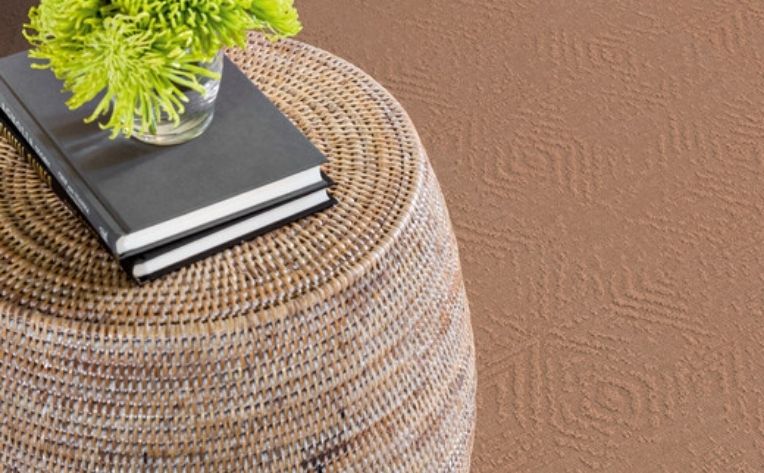
This type of carpet gets its name from its signature tufts: clusters of yarn fibers woven through a piece of material. This material could be a natural fabric or a synthetic base. When the tufts come to the surface, they can be loops, making it a Berber carpet, or the loops can be sliced, making it a cut pile carpet. The last part of this process is adding a backing to the material that the fiber tufts run through. Then your carpet is complete.How It’s Made
Although this process might seem long and tedious, it’s actually not because machines started doing all of the work beginning in the 1960s. Tufting machines can be programmed to create different types of carpets as well as different patterns, which contribute to fast and inexpensive production.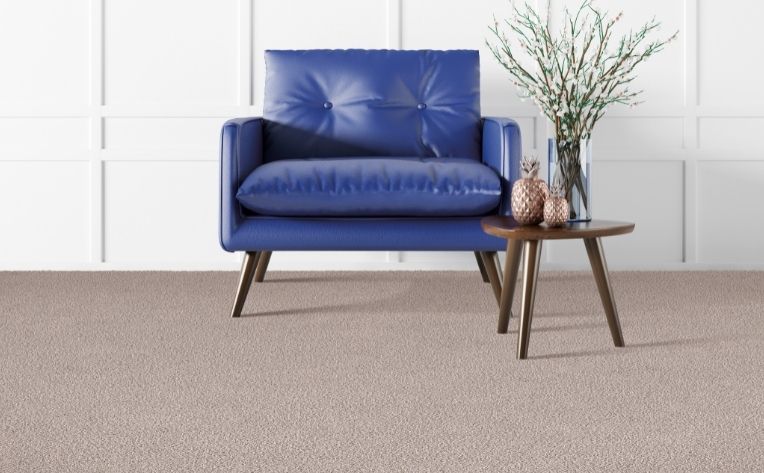
Finding the Right Option
When it comes to tufted carpets, there are so many different options. Tufting machines can create a carpet of one single color and a uniform height or a carpet of different heights that includes various vibrant colors. Because the category of tufted carpets is so broad, you’ll be able to find whatever it is you are envisioning for your home. In addition, most tufted carpets are treated with stain resistance before installation, making them more durable once inside your home. Tufted carpets come in such a wide variety of style and fiber options it makes your choices seem limitless. Whether you are shopping for an indoor space, an outdoor space, a master bedroom, or a living room, there is likely a tufted carpet option that is right for you.What is the softest carpet type?
Carpet Types and Styles
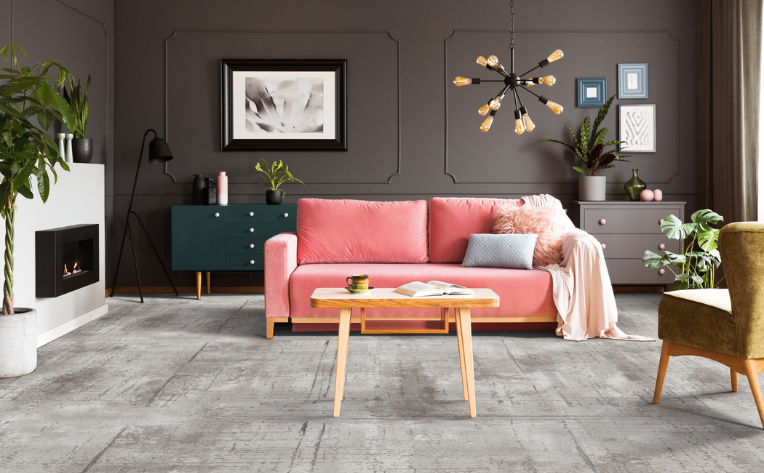 From luxurious wool to durable nylon, we’ve unraveled the threads of carpet types and styles to help you step up your home decor game. Discover the fascinating world of carpet in this ultimate guide, and learn how to choose the perfect flooring for your space.
Varieties and Advantages of Carpet
There are a variety of different carpet styles, patterns, and colors to choose from, allowing you to satisfy your personal style while matching your décor. Here are some additional advantages:- Carpet’s cushioned surface absorbs sound and is less noisy to walk on than hard-surface flooring.
- When considering affordability, carpet is one of the most economical flooring products to have installed.
- The insulating properties of carpet provide additional warmth underfoot during cold seasons.
- Carpet is a non-slip surface that is safe underfoot and provides a cushion to prevent breakage when delicate items are accidentally dropped.
- Most synthetic carpets are treated with static, stain, and soil-resistant treatments, making them easy to clean and maintain.
Types of Carpet Fibers
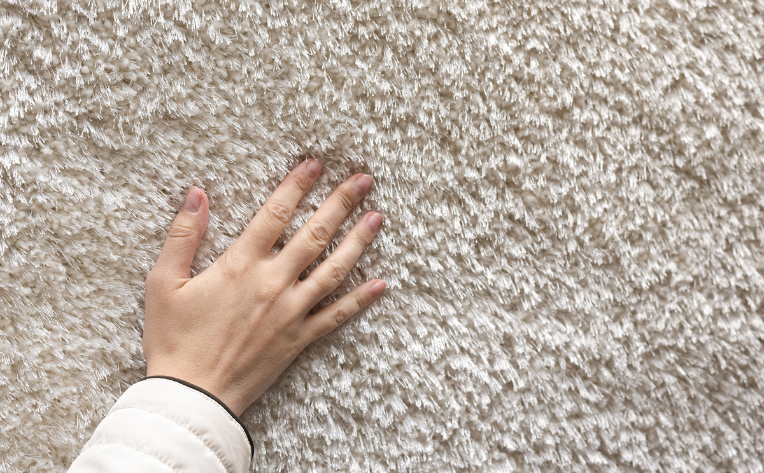 To pick the right carpet material, consider how you live in each room. There are four basic types of carpet materials:
Nylon
Nylon is the most stain-resistant and durable carpet fiber available when treated with stain protection. It is the fiber of choice for homes with pets and children and for those who entertain a lot. Because of its durability, nylon carpet is perfect for heavy-foot traffic areas like hallways and stairs.Polyester
Polyester is known for its luxurious look, feel, and wonderful selection of colors and styles. Polyester carpeting has the ideal endurance for homes with a normal amount of traffic.Olefin
Olefin offers good stain and moisture resistance but scores below nylon and polyester for wearability. It is best suited for rooms with low-foot traffic in loop pile construction or high, very densely cut piles.Wool
As a natural fiber, wool is naturally soil-resistant but not inherently stain-resistant. Wool looks good for a long time and is organically well-constructed.Carpet Construction
Over 90% of residential carpet is manufactured as tufted carpet. A tufting machine works like an oversized sewing machine with hundreds of needles that insert loops of fiber (tufts or stitches) into the carpet’s backing to form the face pile of the carpet. How long your carpet will last depends on how well it is made. Quality construction will affect the durability, appearance, and price of the carpet and is most influenced by the twist of the fibers and the density of the tufts.Twist
Twist refers to how tightly the fiber (carpet yarn) has been twisted. The tighter the yarn is twisted, the better the carpet will stand up to crushing and matting. This is especially important in cut and deep pile carpet because the tips are exposed and can quickly become untwisted. Frieze carpet has the highest twist level at about 7-9 twists per inch (TPI), whereas most cut pile carpet styles have between 3-6 twists per inch.Density
Density refers to both the amount and how tightly packed together the fibers are within the carpet. The closer together the fibers are placed, the denser the carpet will be, and the better it will wear and perform. Ways to check for carpet density include trying to reach the carpet backing by pressing your fingers on the carpet fibers. The more difficult it is to get the backing, the denser the carpet. Or, with outward-facing tufts, bend the carpet into a U-shape and look at how much of the carpet backing is visible. The less backing that shows, the denser the carpet.Stain-Resistant Carpet?
Consider how you live in each room—you might need more stain-resistant carpeting for dining rooms but can afford to opt for plush carpet or a high-pile carpet in the bedroom. If you have kids, pets, and high-traffic areas or entertain a lot, you will want to choose a carpet with stain resistance. Choosing a carpet with quality stain resistance won’t limit your options when it comes to carpet styles and colors. Your primary factor in determining stain resistance is the type of carpet fiber, including nylon, polyester, olefin, or wool. Beyond fiber type, most manufacturers apply post-production stain protection treatments to enhance the natural stain-resistant properties of any fiber. Ask your Flooring America sales professional for assistance in making a flooring choice to suit your lifestyle, and look to your product’s warranty to help guide you to the right level of warranty protection.Textures
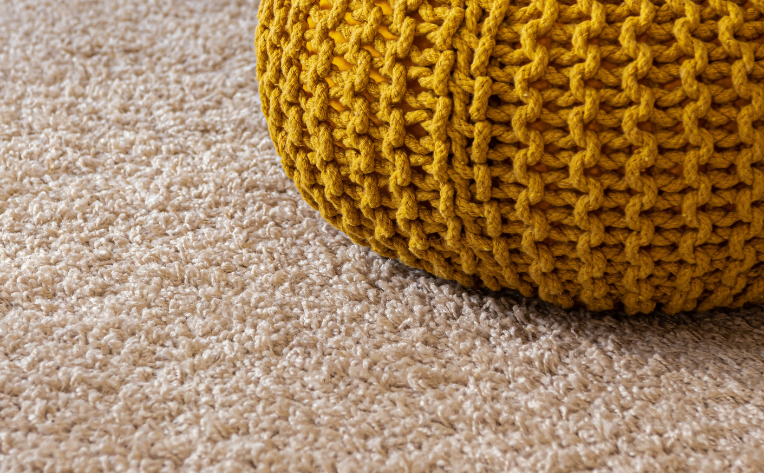 Carpet texture refers to how the fibers of the carpet are attached to the backing of the carpet. Primarily, there are three different types of carpet textures and carpet pile heights, including low pile carpet, medium pile carpet, and high pile carpet.
Cut Pile
Cut pile carpet consists of yarns that are cut at the ends. The soft feel of cut pile carpet makes it a perfect choice for the most comfortable areas of your home—bedrooms, living rooms, and family rooms. There are five basic styles of traditional cut pile carpets that each provide a different look and texture:- Velvet
- Saxony
- Frieze
- Shag
- Cable
Loop Pile
Loop carpet has yarns that are looped and uncut on the carpet surface. The pile height can vary from a low, tightly constructed pile to a more luxurious, high-level pile. Loop carpet has strength and soil-hiding capabilities. This style is ideal for heavy-traffic areas. Berber carpet is the most popular style of loop carpet that can be constructed with level loops or multi-level loops.Cut-Loop Pile
As the name suggests, this carpet has a combination of high-cut tufts and lower loops in a variety of sculptured patterns. Cut-loop carpets offer good performance but are slightly less durable than loop carpets.Dye Methods
There are two popular methods for dying carpet; both methods offer great color:Solution-Dyed
The fiber is dyed before it is woven. This method gives the carpet stronger stain and fade resistance, along with resistance to harsh cleaning agents such as bleach.Continuous-Dyed
This method is completed during the post-tufting process and is most suitable for woven carpet. It is a process that achieves solid colors.Color Selection
Choosing the right color for your carpet is essential to tying your room’s design elements together. Think of your floor as the fifth wall that connects all the other design elements in the room. Consider the walls, window treatments, and other furnishings when choosing a color scheme. Bring fabric and color samples when you visit our store, where our flooring experts will assist you in making your choice.Types and Styles of Carpet… Need More Help?
With a better understanding of carpet types, fibers, and styles, you’re well-equipped to choose the perfect carpet for your home. Use our Room Visualizer tool to experiment with different carpet styles and colors, or reach out to your local Flooring America for personalized guidance.Is carpet good for pets?
If you are a pet owner, you don’t have to shy away from installing carpet inside your home. In fact, many pets enjoy lounging on the soft plush surface that carpet provides as opposed to harder surfaces like hardwood or tile.
Cons of Carpets and Pets
Although pets like the comfort of carpet, the messes pets leave behind can leave stains and damage. The best carpet options for pets are durable and stain-resistant against drool, dander, and everything in between.
Other Benefits of Pets and Carpets
In addition to being messy, pets can also be noisy. Whether your pet is roughhousing, howling, meowing, or fetching inside, carpets can help soften loud sounds. Plus, when playtime gets rough, carpet is more forgiving and won’t leave your pet sliding around as much.
The Best Carpet Options
When it comes to choosing the best carpets for houses with pets, nylon, wool, and olefin are popular options.
Nylon
Nylon imitates the appearance of wool and is one of the most durable options that is easy to clean and holds its texture over time. High quality nylon carpet material can last up to 15 years if it is well taken care of. Solution-dyed nylon has a rich color that is fade-resistant and keeps spills from clinging to the fibers.
Wool
Wool often sets the standard for quality as it is durable and soft. It is a sustainable fiber that has natural stain-resistant properties. Unfortunately, it cannot be treated with a stain-resistant coating like other types of materials. This means spills and other pet messes must be cleaned up right away.
Olefin
Olefin is often thought of as an outdoor carpet option. Like nylon, it mimics the look of wool, except it is made from polypropylene fibers. It is also inexpensive, easy to maintain, and won’t fade. It is an excellent option for those with many pets or extra messy pets since it’s resistant to stains, static, soil, pilling, and water. The only downside is that olefin is not as soft as other options, as it has a rougher texture.
What is carpet density?
- less than ¼ inch is low
- ¼ inch to ½ inch is medium
- ½ inch to ¾ inch is plush
What is standard carpet width?
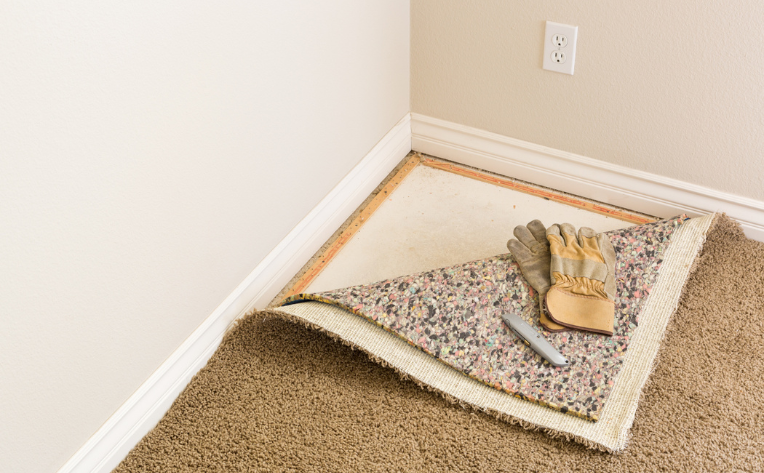
Wall-to-wall carpeting is commonly available in rolls, typically measuring around 12 feet in width. However, the carpet widths may vary based on the carpet manufacturer. Some manufacturers might offer wider carpet options, providing more flexibility in carpet dimensions to suit various room sizes or design preferences.
It’s important to note that carpets manufactured in other countries often adhere to a different standard width of four meters, equivalent to about 13 feet 2 inches. This wider format might be a consideration when selecting carpeting, especially if you’re looking at options that originate from different regions.
For these seeking commercial-grade carpeting, rolls are often available in narrower widths, around six feet. This variance in width options caters to the specific requirements and practicalities of commercial spaces, offering tailored solutions for diverse business settings.
Carpet Installers
When considering carpet installation, it’s important to highlight that attempting a do-it-yourself (DIY) approach is generally not recommended due to the complexities involved in achieving a professional and lasting result. Carpet installation demands precision and expertise to ensure the best outcome for both the aesthetics and longevity of the flooring.
At Flooring America, we understand the significance of a flawless carpet installation. That’s why we have a team of expert installers who are well-versed in the intricacies of the process. Their proficiency extends from meticulously measuring the room’s total square footage to determining the best carpet width and direction for laying down the carpet rolls. This expertise is geared towards minimizing carpet waste and strategically concealing seams, guaranteeing a visually appealing finish.
When you’re buying carpet materials, it’s important to add an extra 10 to 20 percent of carpet to how much carpet you measured for your floor space. This additional material acts as a safeguard against any potential shortage during the installation process, providing a buffer to tackle unexpected irregularities. Ultimately, this approach ensures a smoother and more efficient installation, handled by our skilled and dedicated professionals, to bring your flooring vision to life.
Area Rugs
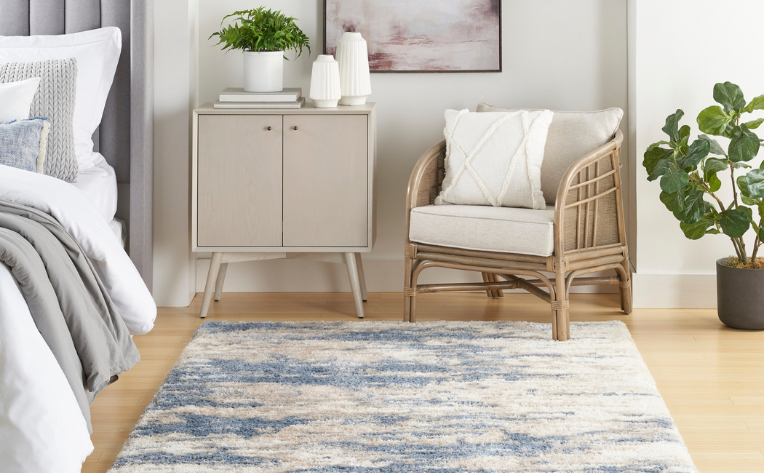
When considering the addition of area rugs to your living space, it’s crucial to be aware of the various standard sizes available. Area rugs come in a diverse range of dimensions to suit different areas and purposes.
Standard sizes for living rooms or dining areas may include:
5 x 8 feet
6 x 9 feet
8 x 10 feet
For large living rooms and other spaces, typical sizes you might find are:
8 x 10 feet
10 x 12 feet
10 x 14 feet
12 x 15 feet
For smaller spaces like an entryway or in front of the bathroom sink, you can find sizes such as:
3 x 5 feet
4 x 6 feet
Hallway runners often come in these sizes:
2 x 7 feet
2 x 8 feet
Custom Carpet Solutions
Despite these common measurements, there, of course, are brands that offer less commonly found sizes, and you can always purchase custom options. If customization appeals to you and you like the look and quality of wall-to-wall carpeting, you can get a piece of carpet cut to your room’s custom size and finished with various binding and surging choices. This option gives you endless styles and true customization.
Bring Your Flooring Dream to Reality
In this quest for the perfect flooring solution in the carpet world, Flooring America’s extensive carpet catalog is a rich resource, offering a wide array of options. From standard measurements to customized designs, exploring our collection gives you the opportunity to find the perfect carpet or area rug tailored to your unique preferences and needs. Visit your local store today to discover the possibilities and let our expert team assist in bringing your flooring vision to life.