
What is vinyl flooring?
Today’s vinyl has come a long way from what you might remember as grandma’s vinyl floors. Vinyl, or “resilient flooring,” can be defined as sheet vinyl, or as luxury vinyl tiles (LVT) or luxury vinyl planks (LVP). Vinyl continues to be an extremely durable, and fashionable, flooring choice with outstanding warranties and a gorgeous array of design and style to suit every room in your home. In sheet vinyl, Flooring America/Flooring Canada offers an exclusive brand called NatureCore which features today’s styling and color pallets. Our LVT and LVP collections offer durability with sophisticated or rustic looks to meet every need.
How much does it cost to install luxury vinyl flooring?
When people hear the word “luxury,” they usually think of the word “expensive.” Did we just describe you? If we did, you’re in for a pleasant surprise: luxury vinyl flooring can be a cost-efficient option, even in larger homes or apartments. If you love the look of marble or hardwood, but you’re on a limited budget, luxury vinyl offers stunning look-alikes at a fraction of the price. Vinyl also stands up to damage and moisture for high durability, giving you even more bang for your buck.
How long do vinyl floors last?
How Long Does Vinyl Flooring Last?
With regular maintenance, your beautiful vinyl floors will last for decades. Flooring America/Flooring Canada offers industry-leading warranties on all vinyl products promising a life of 15 to 25 years and beyond.
What goes under vinyl flooring?
What is Luxury Vinyl Plank (LVP) flooring?
LVP Flooring: Your Ultimate Vinyl Flooring Guide
When it comes to combining luxury, durability, and versatility, few options rival the charm of vinyl plank flooring. In this comprehensive guide, we will navigate through the world of luxury vinyl plank flooring, exploring the many benefits and style possibilities that make vinyl plank flooring a standout choice for discerning homeowners.
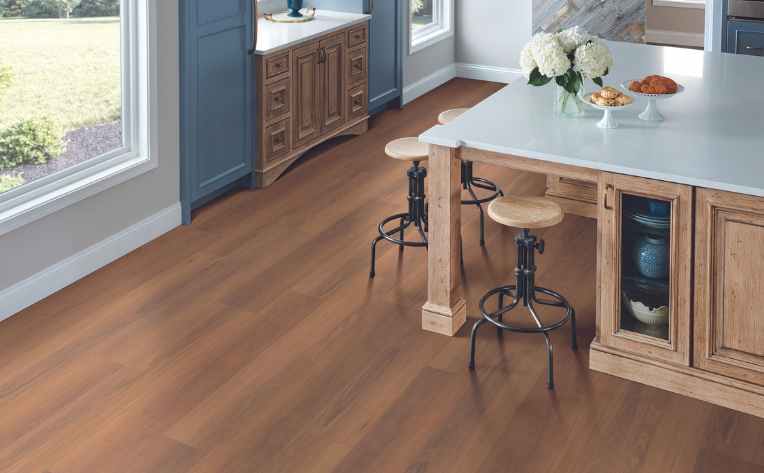
Luxury vinyl plank flooring—or LVP—is luxury vinyl flooring made up of planks instead of one large sheet of vinyl or individual tiles. LVP flooring is popular because it’s:
- A wood-look product that shares characteristics of hardwood
- Easy to install
- Waterproof
- Durable
- Thick and insulating
- Budget-friendly
The luxury vinyl flooring market has taken off primarily due to many of these benefits as homeowners look for better floors to match their lifestyle. Able to withstand heavy foot traffic, scratches, and spills, luxury vinyl planks are the ideal flooring solution for any home design. Plus, who doesn’t want a gorgeous wood-look plank to improve their home decor?
We’ll go into more detail about why you should choose LVP floors for your next home renovation below.
Characteristics of Hardwood
The growing popularity of LVP flooring isn’t just about the low cost and easy installation—the floors themselves are beautiful! High-quality LVP can resemble authentic hardwood down to the coloration, knotting, and grain patterns with embossed-in-register technology and an advanced printing process. Some products are so good at mimicking the look and feel of natural wood flooring in planks of varying colors and thicknesses that your friends might not believe that your LVP floors are actually luxury vinyl.
Easy to Install
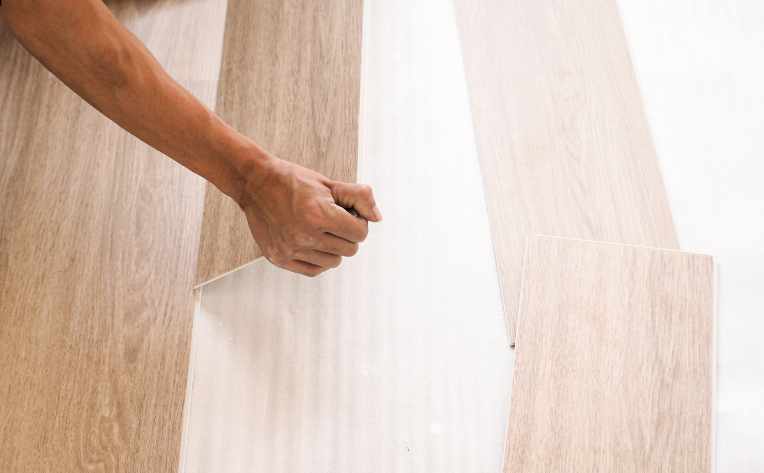
LVP floors have a simple click-lock system that makes these floors easy for professionals to install. The benefit of having luxury vinyl planks that click together, as opposed to one large sheet of vinyl, is that they can better lock out moisture. Repairs to a floor with planks (versus one large sheet that would have to be ripped up) are more accessible, too. Due to their painless installation process, some experienced homeowners often like to tackle this project themselves; however, tools and precise alignment are needed, so we strongly recommend our expert Flooring America installation team to ensure that your brand-new vinyl floors are installed properly.
Waterproof
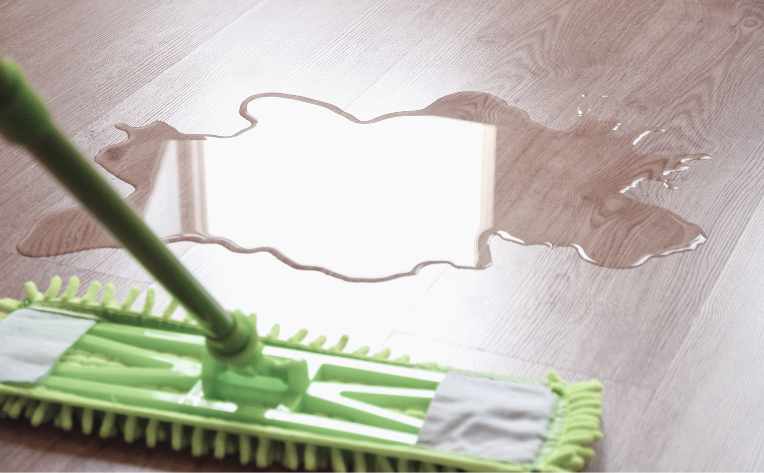
All luxury vinyl plank floors are water-resistant to some extent but even better, most LVP floors on the marketplace are waterproof, meaning they can withstand small floods and household spills. This makes them a great addition to your busy household. LVP floors are perfect for the whole house, especially kitchens, entryways, basements, or any room with high foot traffic that is prone to moisture, leaks, or spills. Another bonus of LVP floors? They’re easy to clean! You only need to regularly sweep or dry mop and avoid using a vacuum with a beater bar to ensure their beauty for the long haul.
Durable
One of the most popular aspects of luxury vinyl planks is their ability to hold up well in crowded spots, thanks to their incredible wear layer. This product is an excellent option for homes with small children and pets running underfoot, as the rigid core floors are constructed out of plastic composite with various strengthening agents that can hold up against messy shoes and pet accidents.
Thick and Insulating
LVP flooring is also a great buy because of the cushion and insulation that this type of flooring provides. Unlike cheap, glue-down vinyl floors, LVP flooring won’t curl up over time. And because of the thickness of luxury vinyl planks, there is more protection offered by your home’s subfloor. If cheap vinyl is layered on a concrete subfloor, for example, the top of the floor is bound to be much colder. With LVP flooring, your feet are more cushioned—and warm!
Low-Cost
So, what do luxury vinyl planks cost, you might be wondering? Often, upgrading your floors sounds like a great idea in theory, but it might not be within your budget. Luckily, LVP floors are an excellent choice for those looking for affordable options! LVP floors are not as expensive as natural hardwood floors or ceramic tile, and, once installed, they require very little upkeep to keep them looking new for years to come.
LVP vs. LVT

So, what’s the difference between luxury vinyl planks (LVP) and luxury vinyl tiles (LVT)? While both flooring products are composed of the same four layers of plastic, the two vary depending on what natural flooring they’re mimicking. LVP is constructed in plank style to resemble traditional hardwood flooring, whereas LVT flooring is designed in a tile shape and often mimics natural stone, ceramic, and porcelain tiles. Learn more about luxury vinyl tile in our flooring FAQ here.
FAQs about Luxury Vinyl Plank Flooring
While buying new floors is exciting, we know finding the perfect match for your home can be time-consuming. To save you time (and money) we’ve compiled a list of popular questions you might have about luxury vinyl planks.
What are the disadvantages of luxury vinyl plank?
While luxury vinyl plank flooring is a great option for many areas of your home, LVP does have a few disadvantages you should consider. One drawback is that, compared to some traditional flooring options, LVP may have a shorter lifespan. Additionally, while progress has been made in making vinyl resemble natural materials, the artificial feel of vinyl may not appeal to those seeking an entirely authentic look. Furthermore, some individuals express concerns about the environmental impact of vinyl production and disposal.
Is there a difference between vinyl plank flooring and luxury vinyl plank?
While both share the resilience and water-resistant features that are part of vinyl, the key difference lies in the quality and aesthetics. Luxury vinyl plank, as the name suggests, goes a step further in terms of design and durability. LVP typically has a thicker wear layer, providing better protection against scratches and wear. Luxury vinyl planks often have the authentic look and feel of natural materials such as hardwood or stone with remarkable realism. So, while vinyl plank flooring offers a practical solution, the “luxury” in LVP signifies a higher standard, offering a more sophisticated and visually appealing flooring option for those seeking a combination of durability and style in their homes.
Is luxury vinyl plank flooring worth the money?
If you’re looking for a flooring solution that blends beauty with practicality, investing in luxury vinyl plank flooring is worth the extra cost. With a wide variety of styles and textures to choose from, luxury vinyl plank flooring ensures you don’t have to compromise on aesthetics for durability. In essence, the quality, visual appeal, and overall value make luxury vinyl plank flooring a worthwhile investment for those who appreciate the perfect combination of luxury and functionality in their living spaces.
Wait, so what’s EVP then?
EVP, or Engineered Vinyl Plank, is a subset of LVF. Many EVP flooring options look uncannily like hardwood floors. EVP floors are also waterproof and durable, as they are constructed in multiple layers.
Shop Luxury Vinyl Flooring at Flooring America
It’s clear that this flooring option acts as a shining example of style, durability, and practicality in the realm of flooring vinyl. With its ability to copy the look of natural materials while offering unmatched resilience, luxury vinyl plank flooring emerges as a transformative choice for your living spaces. Are you ready to take the first step in your flooring journey? Find the perfect luxury vinyl flooring for your home when you shop at your local Flooring America today!
What is Luxury Vinyl Tile (LVT) flooring?
LVT Flooring: FAQs, Tips & Advice
.jpg) LVT, or Luxury Vinyl Tile, is a type of vinyl flooring designed in individual tiles. Far from the original production of sheet vinyl, luxury vinyl is superior in strength and style. Also available in planks, both vinyl floorings come in styles that mimic the look of natural hardwood and stone flooring. Because they’re vinyl, these flooring products remain super durable, affordable, and easy to clean.
LVT, or Luxury Vinyl Tile, is a type of vinyl flooring designed in individual tiles. Far from the original production of sheet vinyl, luxury vinyl is superior in strength and style. Also available in planks, both vinyl floorings come in styles that mimic the look of natural hardwood and stone flooring. Because they’re vinyl, these flooring products remain super durable, affordable, and easy to clean.
Some benefits of choosing luxury vinyl tile flooring for your home include:
- Family-Friendly
- Elevated Style
- Easy to Install
- Durable
- Foot Comfort
- Good Insulation
- Water-Resistant
- Economical
As homeowners seek better floors to match their lifestyle demands, the luxury vinyl flooring market has exploded as an easy and family-friendly option. Luxury vinyl tiles are an excellent flooring alternative for any home design since they can tolerate high foot traffic, scratches, and spills. Elevate your home decor with beautiful stone-look tile from our exclusive collection of luxury vinyl today!
Family-Friendly
LVT flooring is some of the most family-friendly flooring available on the market. It’s waterproof, aka made to withstand all the spills, splashes, and leaks that pets and kids can bring to a busy household. This super-durable, budget-friendly flooring choice is also one of the easiest floors on the market to keep clean. Just simply sweep or mop, and you’re good to go!
Elevated Style
LVT is fast becoming one of the most popular types of flooring for homes, as this functional flooring choice is now available in a variety of stylish options. If you’re in love with a wood look or stone look for your interior design but don’t want to pay an excessive amount, LVT is your solution! Mimicking everything from natural slate to polished ceramic tile, LVT is the perfect way to elevate your living areas in practical style. And you can create your own floor design, whether it be using luxury vinyl planks to make a chevron pattern or exploring monochrome tones using different shades of luxury vinyl tile.
Easy to Install
Installing LVT floors is quite simple, fast, and accessible. During installation, the tiles click together to float over the subfloor and lock out any moisture. And with such an easy install process, homeowners don’t have to hesitate if they decide to switch up their flooring style down the line.
Durable
Unlike peel-and-stick vinyl, luxury vinyl tiles are made to last with their high-quality wear layer and rigid cores. The capability of luxury vinyl tiles to resist scratches, stains, and wear makes it an appealing flooring choice for high-traffic areas. Since LVT is made of plastic composite with various strengthening agents, this product is an excellent option for households with little children and pets roaming around.
Water-Resistant
Luxury vinyl tiles are water-resistant due to their installation process. Since these tiles use a click-and-lock system to install, they seal out any moisture and prevent it from getting to the subfloor. Many of the luxury vinyl tile brands we carry at Flooring America are actually waterproof, meaning that they can tolerate minor floods and spills. This feature makes them an excellent addition to any home. LVT floors are ideal for usage throughout the home, but particularly in kitchens, entryways, and basements, as well as any other high-traffic area prone to moisture, leaks, or spills.
Foot Comfort
Though LVT floors can mimic the look of hardwood and stone, the good news is that vinyl floors are not as cold underfoot as these natural sources! If foot comfort and warmth are important to you, then LVT is an excellent solution for your home. Like it especially warm? LVT floors can also work in conjunction with under-floor heating systems.
Good Insulation
LVT flooring is also a good investment because of the cushion and insulation it provides. Since LVT is installed with a click-and-lock system to seal out moisture, this floor does not crack or curl up over time like cheap glue-down vinyl floors might. Luxury vinyl tiles also provide extra protection from your home’s subfloor due to their thickness. If, for example, inexpensive vinyl is laid on a concrete subfloor, the top of the floor will be much colder. Your feet will be more cushioned—and warm—with LVT flooring.
Economical
You might be wondering how much luxury vinyl tiles cost, but we’re here to work within your budget. One significant advantage to investing in luxury vinyl tiles is their cost-efficiency. Fortunately, LVT flooring is an excellent option for homeowners looking for a low-cost alternative! LVT floors are less expensive than real hardwood or natural stone tile, and they require very little maintenance once installed to keep them in brilliant condition for years to come.
What's the difference between LVT vs. LVP?
LVT vs. LVP Flooring
LVT (Luxury Vinyl Tile) and LVP (Luxury Vinyl Plank) are two different types of luxury vinyl flooring. LVT is vinyl flooring designed in a tile shape, whereas LVP is vinyl flooring designed in planks to resemble traditional hardwood floor planks.
Learn all the differences here on these two wonderful vinyl flooring choices…
Luxury Vinyl Tile (LVT) Flooring
Imagine a flooring option that combines the classic beauty of natural stone or ceramic tile with the unmatched durability of modern technology. That’s what Luxury Vinyl Tile (LVT) brings to your space. It’s like having the best of both worlds—elegance you can feel underfoot and resilience that stands up to life’s spills and thrills. Whether you’re aiming for a look that’s sleek and modern or warm and traditional, LVT offers a spectrum of styles to match every taste. And because it’s built to resist moisture and wear, it’s perfect for any room in your house, from the bathroom to the kitchen and beyond.
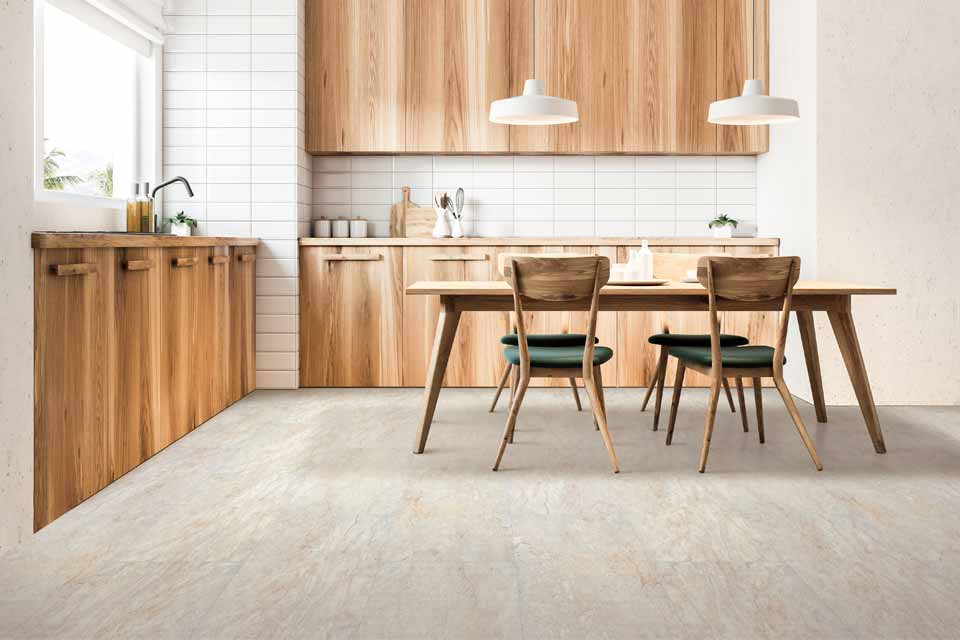
Luxury Vinyl Plank (LVP) Flooring
Now, picture a floor that captures the natural beauty of wood—its textures, its tones, its timeless appeal—but without the maintenance headaches and wear concerns. Luxury Vinyl Plank (LVP) makes this a reality. It’s crafted for those who love the look of hardwood but need something more forgiving and flexible. With LVP, you can choose from a variety of wood looks, from the rustic charm of a countryside cabin to the sleek sophistication of a city loft. It’s the perfect choice for adding warmth and elegance to any space, all while offering the practical benefits of vinyl’s waterproof and durable properties.
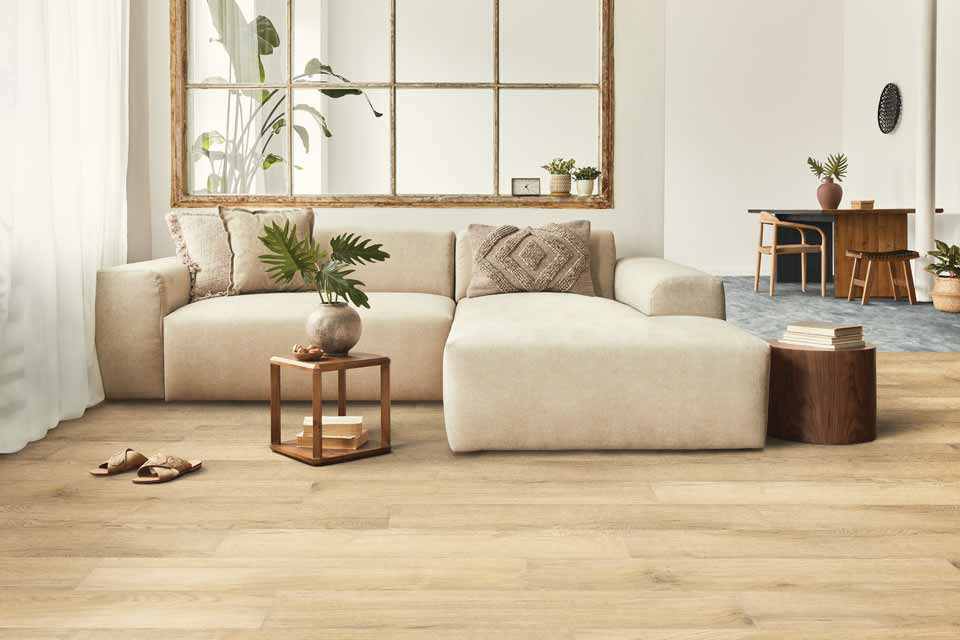
Differences Between LVT and LVP
Choosing between LVT and LVP is like picking between two excellent paths—they both lead to beautiful destinations, but the journey along each is unique. Appearance is the most visible difference, with LVT mimicking the look of tile and stone, and LVP offering the warm, linear appearance of hardwood floors. When it comes to installation methods, LVT might give you the flexibility to create custom patterns and designs, while LVP provides a seamless flow that can make rooms feel larger and more cohesive. In terms of durability and maintenance, both flooring types boast impressive longevity and ease of care, making them suitable for various lifestyles and spaces.
Choosing the LVT or LVP for Your Project
The decision between LVT and LVP hinges on a few critical factors—your project’s scope, your personal style preferences, and budget considerations. Are you renovating a cozy home nook or redesigning a bustling office space? Do you lean towards the timeless elegance of stone or the warmth of wood? How does your budget align with your vision? By pondering these questions, you can chart a course to the flooring that not only meets your aesthetic and functional requirements but also brings you joy every day.
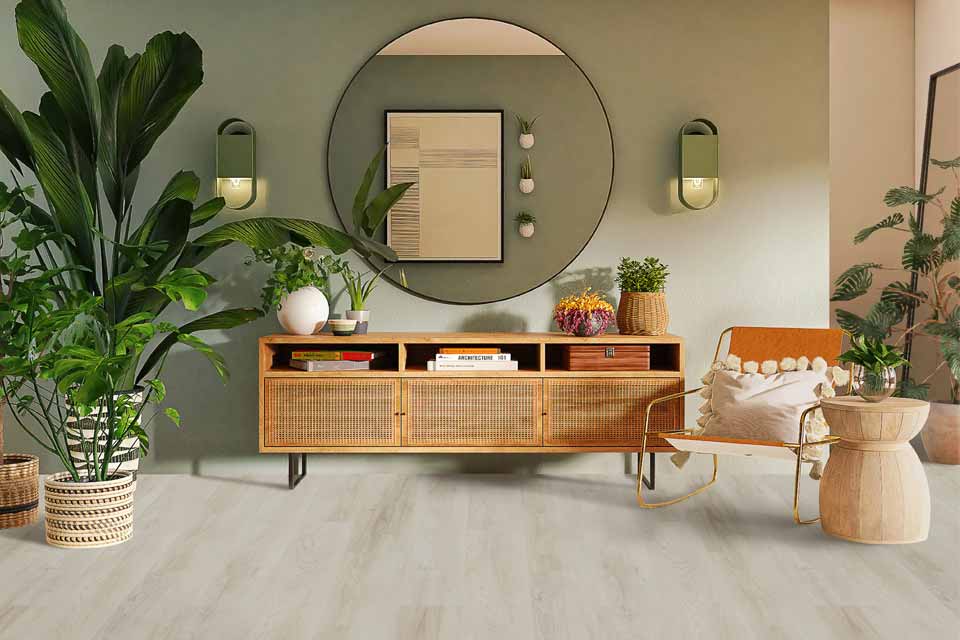
LVT Flooring FAQs
1. Is LVT flooring waterproof? Yes, LVT flooring is built to be water-resistant and sometimes waterproof, making it a fantastic choice for areas in your home that might get wet, like kitchens, bathrooms, and basements.
2. Can LVT be installed in kitchens and bathrooms? Absolutely! LVT’s water-resistant properties and durable qualities make it an excellent fit for kitchens, bathrooms, and other areas prone to moisture and spills.
3. How do I clean and maintain LVT flooring? Caring for LVT flooring is a breeze. Regular sweeping or vacuuming to remove dust and debris, along with occasional mopping with a mild cleaner, will keep your LVT floors looking beautiful. Avoid using abrasive cleaners to maintain the integrity of the floor’s surface.
LVP Flooring FAQs
1. Is LVP flooring suitable for high-traffic areas? Yes, LVP flooring is designed to withstand high traffic, making it an ideal option for busy households and commercial spaces alike.
2. What are the design options available for LVP? LVP offers a wealth of design possibilities, with various wood grain patterns, colors, and finishes available to suit any decor style. Whether you’re looking for a cozy, rustic vibe or a sleek, modern look, LVP has you covered.
3. Can LVP be installed over existing flooring? Often, yes, but that doesn’t mean it’s the best recommendation. LVP can typically be installed over existing flooring, provided the subfloor is level, clean, and in good condition. This feature makes LVP a convenient and cost-effective choice for updating your space, but we still recommend asking one of our flooring experts for their advice!
Can you install vinyl plank over tile?
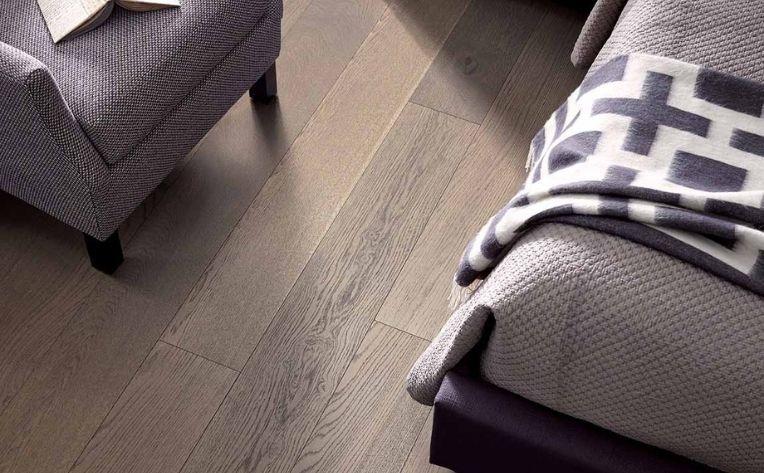
In short, the answer is yes. It is possible to install vinyl plank over ceramic tile. But, of course, just like many other home improvement projects, every home is different, and you must consider some major factors before getting started. It’s also important to recognize that taking on a project like this on your own can present unexpected challenges. Calling in an expert is always the best way to ensure your floors turn out just the way you dreamed.
Why Luxury Vinyl Plank?
Those who are not up to date on modern flooring hear the word vinyl and immediately have flashbacks to the popular avocado-colored vinyl of the ’70s. Now, allow your earlier hesitancies to be banished, as modern vinyl plank is growing increasingly popular. Available in a variety of attractive options, this flooring is waterproof, inexpensive, and less prone to wear and tear.
Your Ceramic Tile Condition
When new floors are installed, the subfloor plays an important role. If you are planning on laying new floors over ceramic tile, the condition of the tile is just as important as the subfloor. The ceramic tile must be smooth and even. If there are any dips in your flooring, it can break the manufacturer’s warranty and cause your new vinyl plank to wear more quickly. It’s always best to consult your floor’s warranty and hire one of our expert Flooring America installers to ensure a proper installation. Any cracks or chips in your ceramic tile can also create problems with laying the new flooring on top. We recommend repairing any of these issues before installation. If your existing floor has any of these issues that cannot easily be fixed, removing the tile before installing the new vinyl plank is best.
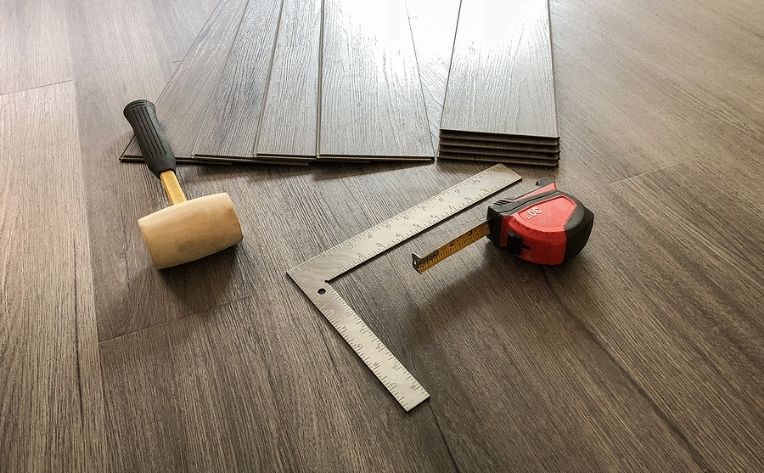
Before Installation
Before you begin laying down your vinyl planks, remove the current baseboard in your room. In addition, you will want to make sure the existing tile floor is thoroughly cleaned and dried. Measuring the height of the new vinyl planks is also an important step because after you install the new vinyl, you want to make sure you can still open your doors and cabinets smoothly. Suppose the installation of the new vinyl plank is going to be too high, causing sticky doors or a tripping hazard. In that case, this is another situation where it is best to remove the ceramic tile before installation.