What are the different types of floor cleaning methods?
There are as many methods for cleaning your floors as there are types of flooring to choose from. What works great on one type of floor could ruin another, so it’s critically important to check the manufacturer’s recommendations before you get started scrubbing. Depending on whether your floors are made from hardwood, luxury vinyl, ceramic tile, linoleum, wall-to-wall carpeting, or other materials, recommended cleaning methods might include vacuuming, sweeping, using a wet or dry mop, using steam, avoiding steam, or (in smaller spaces) simply hand-cleaning with paper towels or microfiber wipes.
What is a general procedure for cleaning floors?
It’s difficult to provide a one-size-fits-all answer to this question, since different floors have different cleaning requirements. For example, what’s appropriate for wood or carpet might be wrong for tile or stone. That said, it’s generally a good idea to start by removing loose crumbs and debris (such as vacuuming or sweeping), then follow up by wiping or scrubbing to remove any remaining stains. As always, we recommend referring to the manufacturer’s guidelines, which will provide you with step-by-step care instructions.
What is burnishing floors vs. buffing floors?
You already know about sweeping, mopping, and vacuuming. Now, get ready to learn about two new techniques for cleaning floors: buffing and burnishing. How are they different, and what are their similarities? While both burnishing and buffing have the same goal — making your floors look newer and glossier — buffing is a more elaborate process. Buffing involves both cleaning and polishing, while burnishing strictly involves polishing. Another major difference is that burnishing requires a powerful, high-speed machine. That is not necessarily the case for buffing, which can be accomplished at lower speeds. Before you tackle a heavy-duty floor chore like buffing or burnishing, ask a professional for expert advice.
What are the different floor cleaning machines?
Homeowners have thousands of choices when shopping for floor cleaning machines. From basic vacuums and steam cleaners, to specialized industrial equipment like high-speed buffers and rotary floor scrubbers, there is no shortage of options to choose from. The best choice for you depends on what sort of flooring you have (or intend to install). While high-end cleaning machines can cost thousands of dollars, most homeowners do not need fancy or expensive equipment to achieve good results. Unless your floors are extensively soiled, simple maintenance with a combination of mopping and vacuuming is likely sufficient. Of course, the manufacturer’s recommendations are always the most reliable source for care and cleaning advice.
What's the difference between waterproof vs. water-resistant flooring?
Waterproof vs. Water-Resistant Flooring: What’s the Difference?
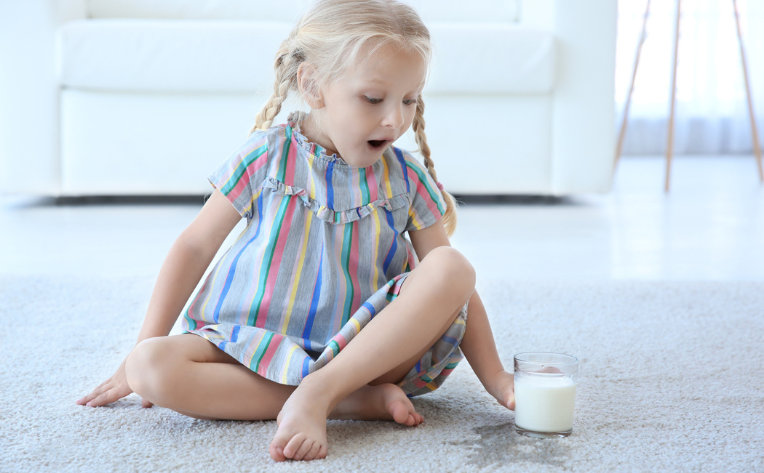
When it comes to selecting the right flooring for your home, it’s crucial to understand the distinction between waterproof and water-resistant options. Whether you’re savoring the serenity of your patio under both light rain and heavy downpours or you have a lively household prone to occasional spills, your selection of waterproof materials holds the power to profoundly influence the durability and lifespan of your floors.
Waterproof flooring is designed to withstand not only minor liquid spills but also more substantial accidents like floods, offering a layer of protection and peace of mind for homeowners. On the other hand, flooring made with water-resistant material is not fully waterproof and is only meant to handle small spills as long as they are promptly attended to, but it has its limitations when it comes to resistance to extended moisture exposure.
In this guide, we dive deeper into the differences between these two types of flooring and highlight popular materials like water-resistant or waterproof laminate floors, luxury vinyl, hardwood, and SPC (Stone Plastic Composite).
Armed with this knowledge, you can make an informed choice that will not only enhance the aesthetics of your home but also ensure that your floors can withstand potential disasters associated with water exposure.
Waterproof Flooring and Water-Resistant Flooring
Waterproof and water-resistant flooring serve distinct purposes in protecting your floors against moisture-related issues. It’s essential to comprehend their differences:
Waterproof Flooring: Waterproof floors are highly durable and can withstand not only liquid spills but also more significant accidents like floods. These floors offer an extra layer of protection and peace of mind for homeowners.
Water-Resistant Flooring: Water-resistant flooring is designed to handle minor spills when promptly addressed. They provide something like a water-resistant jacket against moisture but have limitations when it comes to substantial water exposure.
Vinyl vs. Laminate
Vinyl and laminate flooring share similarities in surface appearance, making them easily confused. However, they differ significantly when it comes to their ability to resist water damage.
Vinyl Flooring: Most vinyl floors, including luxury vinyl and luxury vinyl plank floors, are waterproof. This makes them an excellent choice for areas prone to moisture exposure.
Laminate Flooring: Laminate flooring, containing softwood fibers, offers water resistance that can withstand small spills and significant wear and tear. However, water-resistant laminate is still susceptible to buckling and damage from excessive water exposure, such as flooding.
Are Hardwood Floors a Waterproof Material?
Traditionally, hardwood flooring was not waterproof. However, advancements in technology have revolutionized the hardwood flooring industry. Now, this means that you can enjoy the timeless elegance and natural beauty of real hardwood floors while having the peace of mind that they are impervious to water damage.
These innovative solutions often involve special treatments and finishes that provide a protective barrier against moisture. Such treated hardwood not only withstands spills and splashes but can also be installed in areas like kitchens and bathrooms where water exposure is more common.
As with any flooring material, the performance and longevity of waterproof hardwood flooring depends on proper installation and maintenance. While it is more water-resistant than traditional hardwood, it may not be as waterproof as alternative options like luxury vinyl.
What is SPC Flooring?
SPC flooring, also known as Stone Plastic Composite Flooring, is a term often used interchangeably with vinyl plank flooring. Here’s why it’s a noteworthy option:
SPC Flooring: SPC flooring has a thicker core, making the planks sturdier and more akin to real wood in both appearance and feel.
Frequently Asked Questions
In your quest for the perfect flooring, we understand that questions often arise when it comes to the crucial choice between water-resistant and waterproof options.
To provide clarity and guidance, we’ve assembled a comprehensive list of frequently asked questions (FAQs) to help you navigate the waters and make an informed decision that suits your unique needs and style.
What type of flooring is most waterproof?
Among the various flooring options, luxury vinyl flooring is typically considered the most waterproof. This flooring is highly resistant to water penetration, making it an excellent choice for areas prone to moisture, like bathrooms, kitchens, and basements. Keep in mind that even though this flooring is highly waterproof, proper installation and maintenance are still crucial to ensuring long-lasting performance.
What flooring is 100% waterproof?
While no flooring material is truly 100% waterproof, some, like SPC (Stone Plastic Composite) vinyl, come close to achieving this level of water resistance. This is because SPC vinyl flooring is built with a dense core that repels water effectively and can withstand spills and moisture better than most alternatives.
Which is better: waterproof laminate or vinyl?
Both waterproof laminate and vinyl have their advantages and may be suitable for different needs. Waterproof laminate is a hybrid option, offering the look of hardwood with improved water resistance. On the other hand, waterproof vinyl, particularly SPC, provides excellent water resistance, durability, and versatility.
Waterproof vinyl is often favored for areas with high moisture levels, while waterproof laminate can be an excellent choice for those seeking a balance between aesthetics and water resistance. The choice between the two ultimately depends on your preferences and specific lifestyle requirements.
Peace of Mind
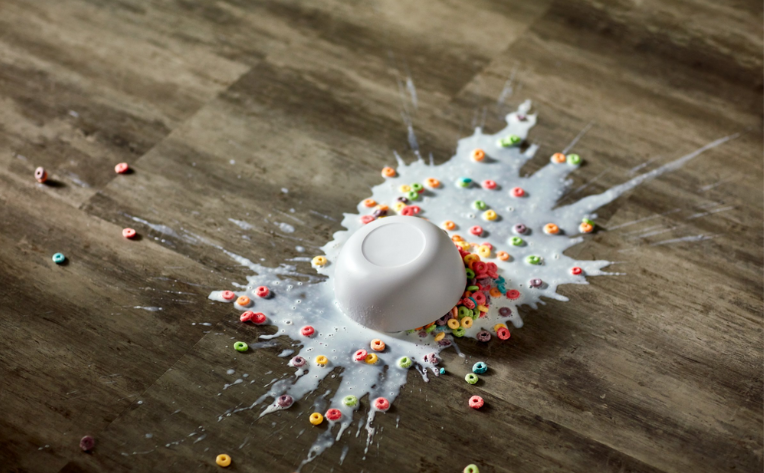
Choosing between waterproof and water-resistant flooring is a crucial decision that impacts the beauty and functionality of your home. Prioritize quality and durability to ensure that your floors not only stand the test of time but also remain resilient in the face of potential water-related mishaps. With a wealth of flooring options available, you can find the perfect durable water-repellent fit for your home, whether you are looking for elegance, affordability, or practicality.
Discover even more wonderful, durable flooring choices at your local Flooring America store today. Your journey to finding the ideal flooring for your home begins with informed choices, and your local experts are there to guide you every step of the way.
What's the most durable flooring type?
The Most Durable Flooring Options for Your Home
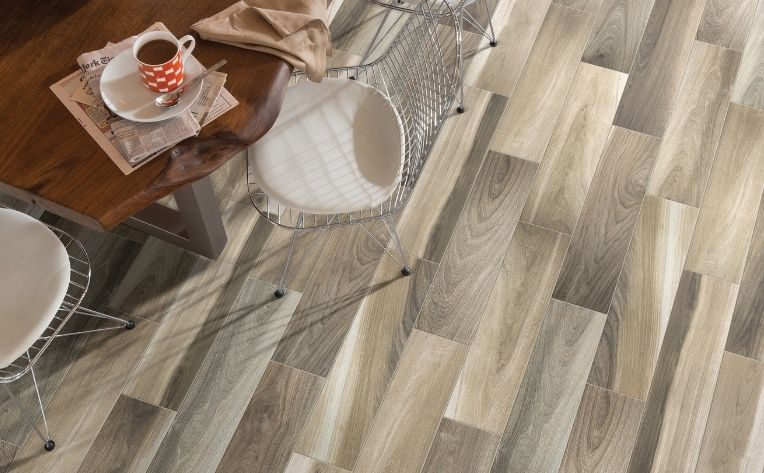
Finding the most durable type of flooring for your house will depend on:
- Room Location
- Budget
- Design Wishes
Thankfully, flooring has come a long way over the years, and this means there are many types of beautiful, durable floors available on the market, from luxury vinyl to tile to hardwood. Read on for more information about the best durable floors available in 2021.
Location, Location, Location
The type of durable flooring you end up choosing for your home will depend on what type of room in your house needs new floors! For instance, if you’re looking for a durable floor option for your bathroom, kitchen, or laundry room, you’ll definitely want to explore waterproof choices like luxury vinyl or tile. Tile is one of the smartest flooring options for any room of your house that’s prone to moisture, spills, and lots of foot traffic. And with a huge selection of both porcelain and ceramic tile designs and styles in stock, Flooring America is a great resource if you choose to go that route.
Save Big
Is budget a top concern while you shop for durable flooring? Laminate flooring is a great choice for families who are looking for top-notch durability at a low price point. As laminate flooring is created from multiple layers of resin and fiberboard, it’s not only long-lasting and incredibly dependable, it’s comfortable and foot-friendly, too. There are many great water-resistant laminate options on the market these days. Luxury Vinyl is a bit more expensive than laminate, but it’s still a great budget-friendly choice, as well.
Beautiful Durability
If you’re looking for the most elegant floors you can find for your dining room or living room, but also want durability, you should certainly explore our engineered hardwood floor products offered in oak, pine, and walnut, to name a few. Other Flooring America-carried wood floor products offer advanced finishes to help protect against scratches. And we have to give a shout-out, again, to beautiful luxury vinyl, with products that are not only durable but have advanced visual designs; they look exactly like the stunning hardwood you’re seeking.
We’ve Got You Covered
As you can tell, there are many types of durable, attractive floors available on the market, no matter what type of room you’re looking to re-do in your home, or what your budget or aesthetics are. At Flooring America, we’re here to answer any questions you might have as you search for the best floors possible for your family, and your home.