
How do I start a home renovation?
Renovating your home is exciting, but it can also be overwhelming if you don’t have a solid gameplan in place. We know you’re probably itching to dive in, but it’s critically important to spend time on the planning and preparation phase, which is where is any home renovation project starts. Think of your plan like the foundation of your home: it supports everything else, so it has to be done right. Once you’ve identified your top tasks and priorities — for example, whether you need to get any permits, or how you’re going to allocate your budget — you should hire an experienced professional for help executing your vision. Hiring a professional, such as an electrician, plumber, or flooring installer, ensures better safety, better efficiency, and in the long run, better value.
What order should you renovate a house?
Depending on your renovations, upgrades to one room could impact another — literally. For example, removing a wall will affect other rooms, which makes it important to get the order right. However, the “best” or “correct” order is different for every project, because every renovation involves different steps and tasks. Some renovations are deep and extensive, while others are light and cosmetic. Whether you just want to spruce things up with some style updates, or you’re looking for a complete home makeover, your flooring is a great place to start. Floors tie a room together, set a mood for the space, and in some cases, even increase property values. At Flooring America, we offer hardwood, ceramic tile, bamboo, carpet, luxury vinyl, stone, and more. For a free estimate on your home renovation project, contact us online today, or visit one of our convenient retail locations.
How long does it take to replace flooring?
The timeline to replace flooring depends on what types of floors are being covered or removed, what they’re being covered or replaced with, and the size of the affected area. Our professional carpet and flooring installation team will be in and out of your home before you know it. We work around your schedule, making the carpet installation process stress-free and convenient to fit your lifestyle. If your home is ready for a makeover, ask Flooring America about our carpet installation services at a store near you today.
What's the difference between laminate and vinyl flooring?
Laminate vs. Vinyl Flooring: Understanding the Key Differences
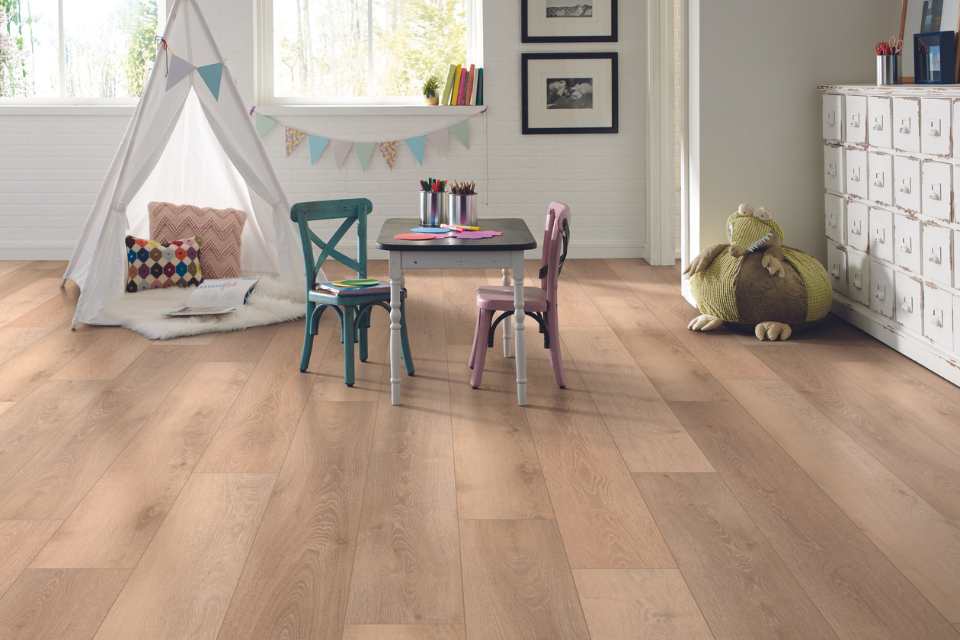
As you begin envisioning your dream home or renovation project, your floor takes center stage. The floor influences the overall aesthetic and functionality of your space, and it’s crucial to choose the right one. While all options have their merits, laminate and vinyl flooring stand out for their durability, aesthetic appeal, and affordability. At Flooring America, we strive to empower you with knowledge to make an informed decision about your flooring needs.
Understanding Laminate Flooring
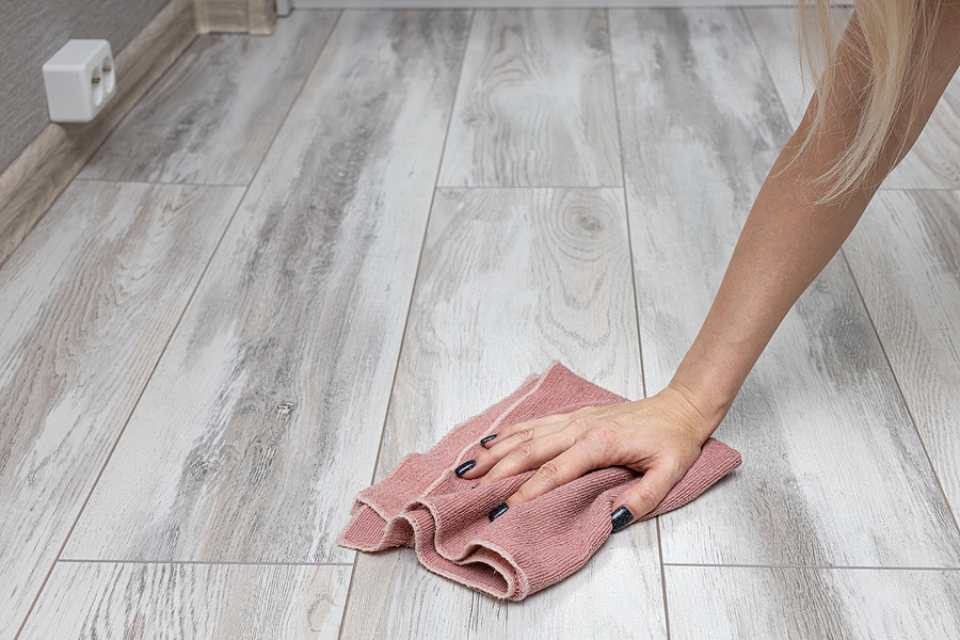
First, let’s start with the basics. What is laminate flooring? Laminate flooring is a multi-layered synthetic product fused together through lamination. Its visual layer typically replicates the look of natural wood or stone, while the core layer provides stability and water resistance. Perfect for households that appreciate the elegance of hardwood or stone but prefer less maintenance, laminate flooring brings a versatile aesthetic to any room.
Understanding Vinyl Flooring
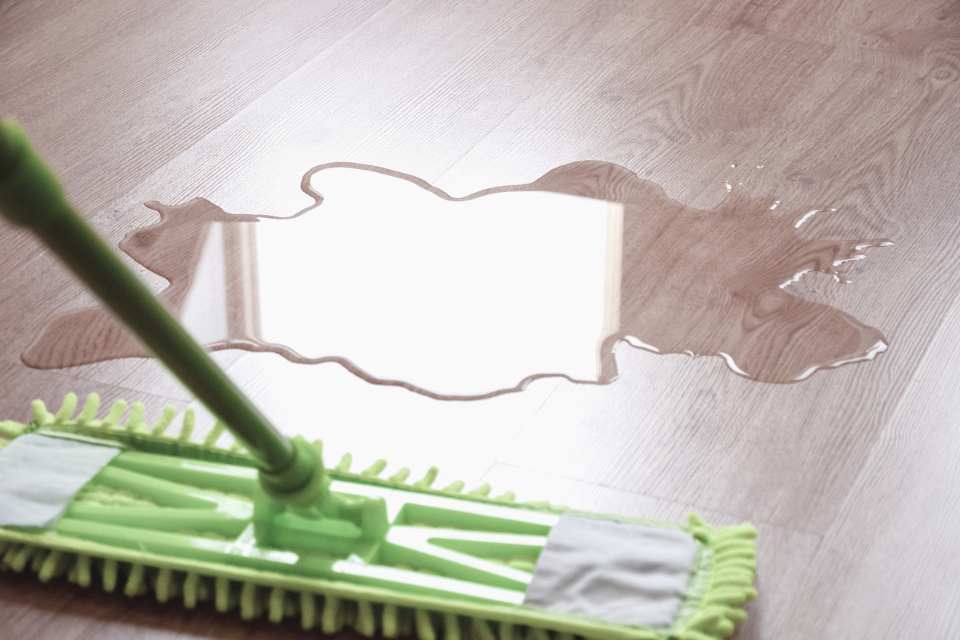
As for vinyl floor, it is a resilient, versatile option made from a combination of natural and synthetic materials. Its layers consist of a backing, a design layer, a wear layer, and a topcoat, providing a cushiony underfoot feel. With its exceptional resistance to moisture, fading, and scratches, vinyl flooring is ideal for high-traffic areas and moisture-prone rooms such as bathrooms and kitchens.
Key Differences Between Laminate and Vinyl
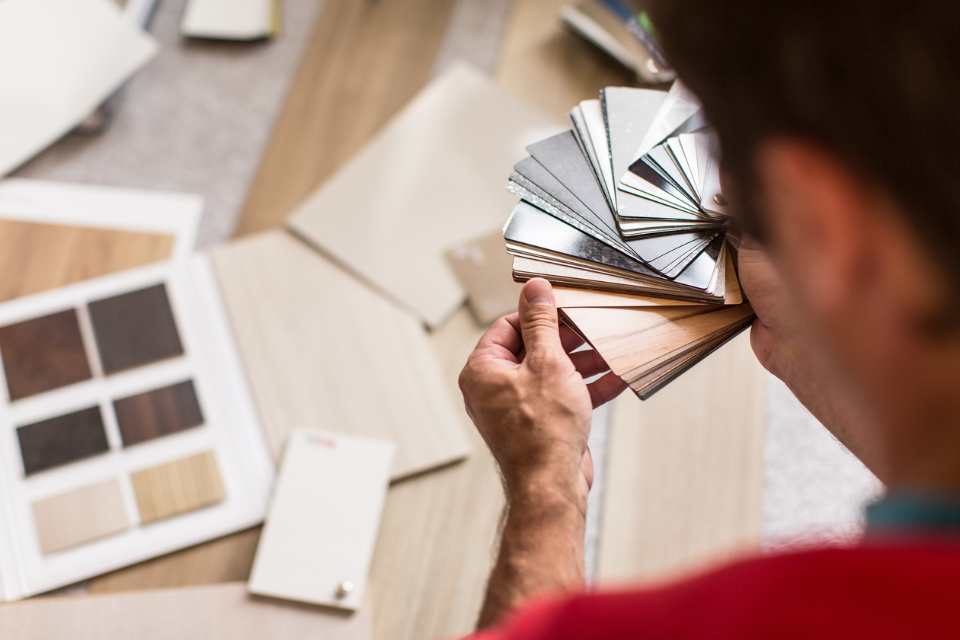
When comparing laminate and vinyl, there are several factors that you’ll want to consider. Laminate flooring offers a denser feel, realistic visuals, and great resistance to wear and tear. However, it’s less resistant to moisture than vinyl. Its installation might also be more challenging since most laminate products require a subfloor.
Vinyl flooring, on the other hand, excels in water resistance, making it suitable for damp areas. Installation is relatively easier and can be done over existing floors. However, it might be more prone to dents and scratches.
When to Choose Laminate
The choice between laminate and vinyl boils down to your specific needs, preferences, and the space’s purpose. Laminate flooring is offered in a wide range of styles and looks from wood-look to tile-look. Whether you’re looking for the timeless charm of hardwood or the sleek sophistication of tile, laminate has endless style possibilities to suit every design and space. Laminate is your go-to for living rooms, bedrooms, and commercial applications, thanks to its luxurious look and practical benefits.
When to Choose Vinyl Flooring
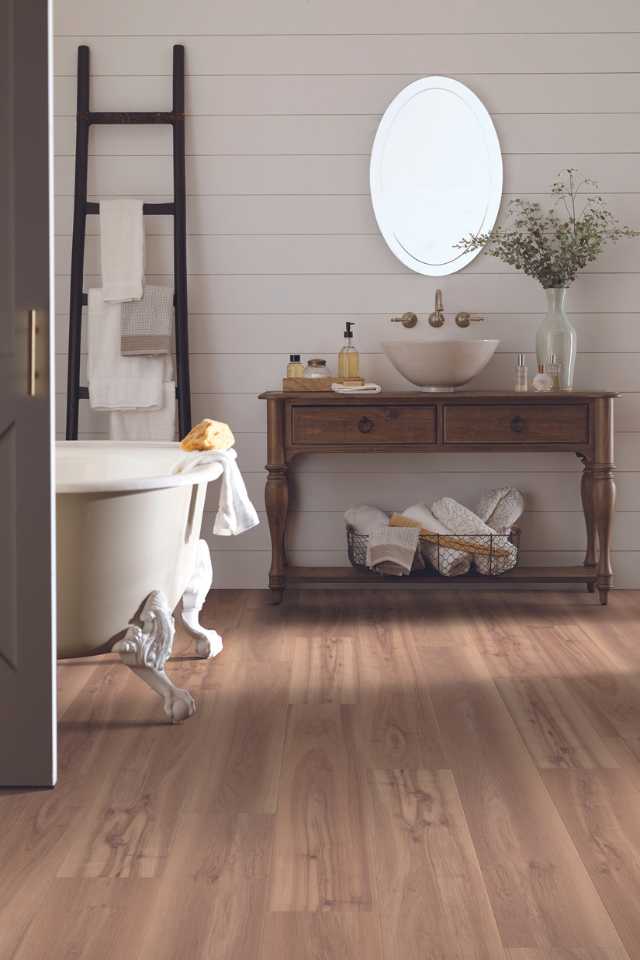
When it comes to selecting flooring for moisture-prone areas like bathrooms and kitchens, or bustling spaces with heavy foot traffic, vinyl flooring emerges as a top contender. Its exceptional water resistance and durability make it an ideal choice for environments where spills, splashes, and constant activity are common occurrences. Whether you’re envisioning the warmth of authentic wood-look planks or the timeless elegance of natural stone-look tiles, vinyl flooring offers a diverse range of styles to complement any design aesthetic. With its ability to closely mimic the look and texture of natural materials, vinyl provides the perfect blend of aesthetic appeal and practical functionality, making it a versatile and reliable flooring solution for your home or business.
Pros and Cons of Laminate
It’s true that laminate floors have their strengths—not only are they easy on the budget, but they’re also scratch and fade-resistant. But, that doesn’t mean that laminate floors don’t also have their fallbacks. Let’s explore their pros and cons below.
Pros of laminate flooring:
Scratch-resistant
Durable and long-lasting
Easy to clean and maintain
Budget-friendly option compared to hardwood or stone
Resistant to fading from sunlight exposure
Installation can be relatively quick and straightforward
Cons to a laminate floor may include:
Susceptible to moisture: Laminate flooring isn’t entirely waterproof, except for a few standout laminate products. While it does have some water resistance, excessive moisture exposure can lead to warping or swelling in laminate floors.
Limited durability: Laminate is not as resistant to dents and scratches as other flooring options like hardwood or luxury vinyl.
Sound concerns: Laminate can sometimes produce a hollow or noisy sound when walked on if not properly installed or if there’s a lack of underlayment, so be sure to consult your Flooring America professional for expert installation to prevent any sound issues.
Authenticity: While laminate flooring can be indistinguishable from hardwood flooring, it doesn’t have the same home value as authentic hardwood floors.
Pros and Cons of Vinyl Flooring
Vinyl flooring presents an array of options, including sheet vinyl, vinyl plank, or vinyl tile, each with its own distinct advantages. While vinyl flooring offers supreme water resistance, it can be more vulnerable to scratches. Explore the pros and cons of this flooring option below.
Vinyl flooring pros are:
Unparalleled water resistance
Durable and long-lasting
Easy maintenance
Quick and easy installation
Stain-resistant
Fade-resistant
Generally dent-resistant and impact-resistant
Cons to vinyl floors may include:
Susceptible to sharp objects: While vinyl flooring is generally durable, it can be susceptible to damage from sharp objects, such as heavy furniture legs or dropped items. Sharp heels or pet claws can also cause scratches, so look for pet-proof or kid-friendly products.
Temperature sensitivity: Some vinyl products can be sensitive to extreme temperatures. In very cold conditions, it might become rigid, potentially leading to cracking. In high-temperature environments, the material may soften or become pliable.
Environmental impact: Some vinyl flooring products may release volatile organic compounds (VOCs) into the air, contributing to indoor air pollution. Our luxury vinyl catalog offers low-VOC options to help mitigate this concern. Vinyl is also not a biodegradable material, so look for recycling programs for vinyl floors.
Authenticity: While vinyl flooring can closely mimic the look of hardwood, some homeowners may still prefer the authenticity and natural feel of real hardwood.
Choosing the Right Flooring for Your Project
Choosing the right flooring for your project involves careful consideration of various factors to ensure it meets your needs and preferences. Firstly, consider the specific room where the flooring will be installed. For moisture-prone areas like bathrooms or kitchens, waterproof options like vinyl or tile may be ideal. Next, evaluate your lifestyle factors such as the presence of pets, children, or heavy foot traffic, which may require durable and scratch-resistant flooring like laminate.
Additionally, assess your budget constraints and explore cost-effective options that still offer durability and aesthetic appeal, such as luxury vinyl or laminate flooring. By taking into account room considerations, lifestyle factors, and budget constraints, you can make an informed decision on the right flooring type that suits your project’s requirements and enhances your space’s functionality and design.
Shop for Laminate or Vinyl at Flooring America
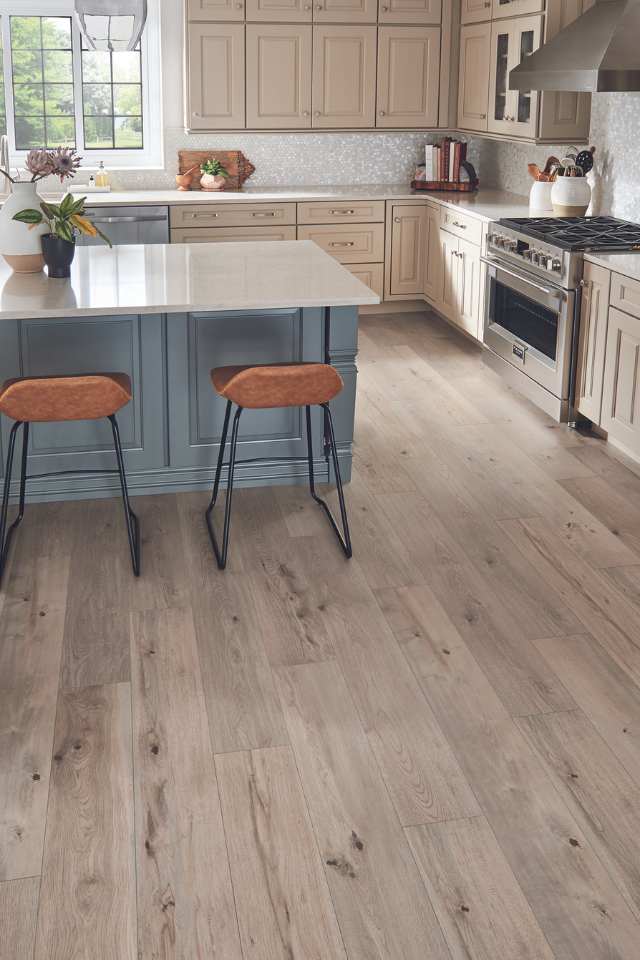
Selecting the right flooring material can be a daunting task, but with knowledge about your options, you’re empowered to make the best decision. Laminate and vinyl flooring both offer unique advantages, and considering your specific needs will help you choose the best option. Remember, the perfect floor is not just about appearance but also functionality and longevity.
We are here to equip and assist you every step of the way. Make your informed choice with Flooring America by shopping our catalog to find the perfect laminate or vinyl flooring and get a free estimate today! Plus, you can order samples to compare the look and feel of each directly in your home.
Vinyl and Laminate Flooring FAQs
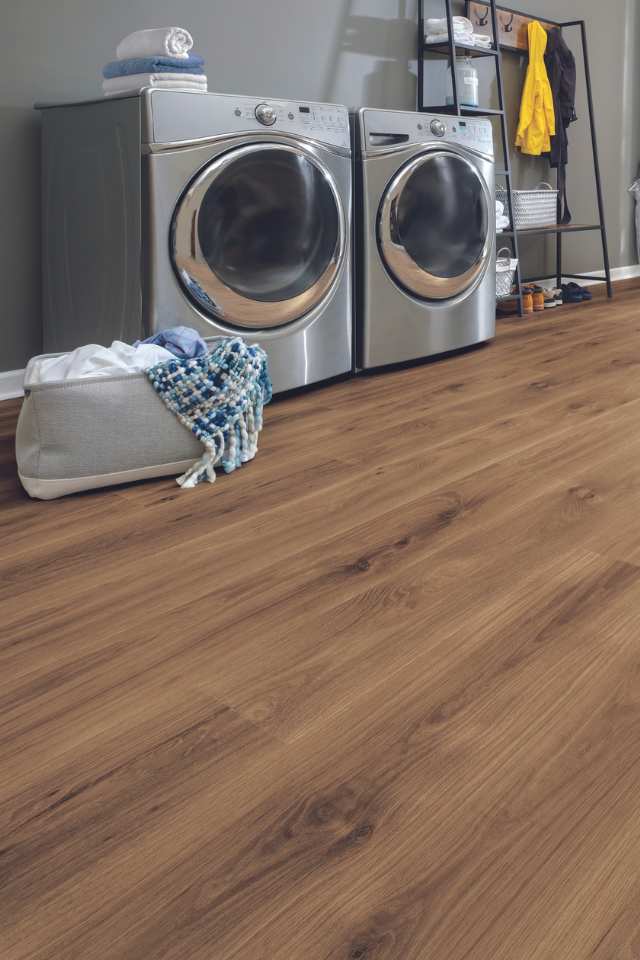
Explore the most commonly asked questions and dive deeper into the world of laminate vs vinyl flooring.
How Do Installation Methods Differ Between Laminate and Vinyl Flooring?
Unlike engineered hardwood and solid hardwood floors, vinyl and laminate flooring are easy to install and even easier to maintain. For instance, many luxury vinyl planks simply click together over a subfloor to lock out moisture and protect against stains and water damage.
Installing laminate flooring is also fairly simple due as most products often have a click-and-lock or tongue-and-groove installation system. This simplifies the process and allows for a floating floor installation without the need for adhesives.
Even though both of these installation processes might seem easy, we highly recommend using our Flooring America professional installation team to ensure that no mistakes are made and that the integrity of the product remains in line with the warranty.
What Is the Price Range for Laminate and Vinyl Flooring?
Both laminate and vinyl flooring are great options for those seeking beautiful new floors on a budget; however, laminate floors tend to be more affordable than vinyl floors and are typically less expensive than luxury vinyl options.
Are There Differences in Maintenance and Cleaning Requirements?
Luxury vinyl flooring stands out for its ease of maintenance, as it is resistant to moisture, spills, and stains. This quality makes cleaning a breeze, requiring simple routine maintenance like sweeping and mopping to keep it looking pristine.
Keeping your laminate flooring looking its best involves easy cleaning routines. Regular sweeping or vacuuming with a soft brush attachment helps remove dirt and debris. Damp mopping using a well-wrung mop and a mild, laminate-friendly cleaner ensures a thorough clean without exposing the flooring to excessive moisture.
Which Flooring Option Is More Scratch-Resistant?
Of the two flooring options, laminate is often more scratch-resistant than vinyl. However both laminate and vinyl have their strengths when it comes to scratch resistance, making either an excellent choice for pet owners or those concerned about wear and tear. Laminate flooring typically features a tough, transparent wear layer that helps protect against scratches and dents, making it a reliable option for high-traffic areas. On the other hand, vinyl flooring, especially luxury vinyl, boasts exceptional scratch resistance due to its resilient construction and protective top layer. Ultimately, the best choice depends on factors like budget, style preferences, and specific needs.
What are the best flooring options for my living room?
Best Flooring for Living Room: Choose the Perfect Flooring for Your Needs
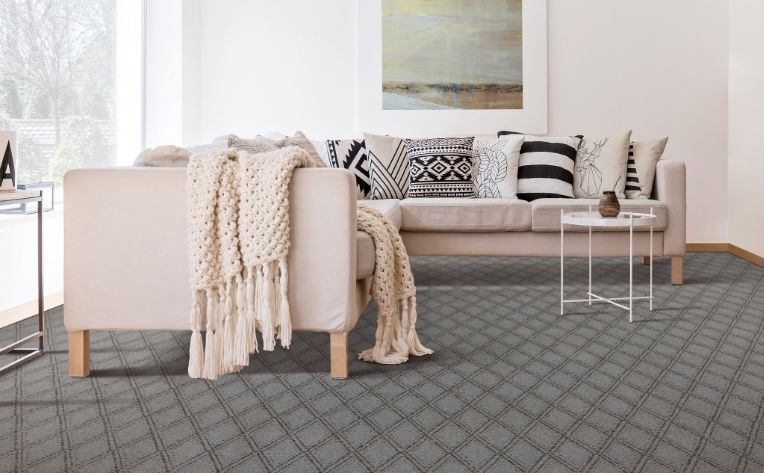
The living room is often the hub of your home, where friends and family gather to relax, read, watch TV, and catch up with each other. When shopping for the best new floors for your ideal living room, the following should be kept in mind:
- Budget
- Design: What trends interest you?
- Ease of Install
- How You’ll Use the Room
Wallet-Friendly Floors
Your budget will certainly have an impact on what type of flooring you choose for your living room. Hardwood floors in a living room are certainly an elegant, timeless option. They are often expensive, but they are a wonderful long-term investment. If you love the look of hardwood but are searching for a more budget-friendly option, luxury vinyl or laminate can be a great fit. Carpet is another great living room flooring option that is cheaper than hardwood—and it’s usually more comfortable!
Beautiful Living Room Design
Design is another key element to consider when choosing the best flooring for your living room. Explore magazines and blogs to get inspired. Do you like a more rustic or traditional feel? If so, perhaps hardwood or luxury vinyl, with some area rugs spread throughout, is a good choice. Or maybe you want something homier and family-friendly, like cozy carpet, with lots of blankets, family photos, and candles around. Whether you are leaning toward a modern trend or something more classic, there’s a living room flooring option to suit your design desire.
Easy Install
Choosing a living room floor that is easy to install is a priority for many homeowners. Options like engineered vinyl planks or luxury vinyl planks are best for those who are handy and love a DIY job—these click-in flooring options can be installed relatively easily, as they float over the subfloor.
A Lived-In Living Room
Another important consideration for your living room flooring option is your family’s needs, aka how you plan to use to the room. If you have young kids, and see your living room as a place for lots of running (and tumbling) around, carpet is probably your best choice. That being said, many luxury vinyl options also offer a great foot-feel. And if ease of cleaning is top of mind, hardwood and laminate can be great choices, too. There are so many flooring options these days that are kid-proof, pet-proof, and waterproof—be sure to check out your local Flooring America for a variety of beautiful, affordable floors for your new living room.
What flooring looks like wood?
Flooring Like Wood: The Best Alternatives to Real Wood
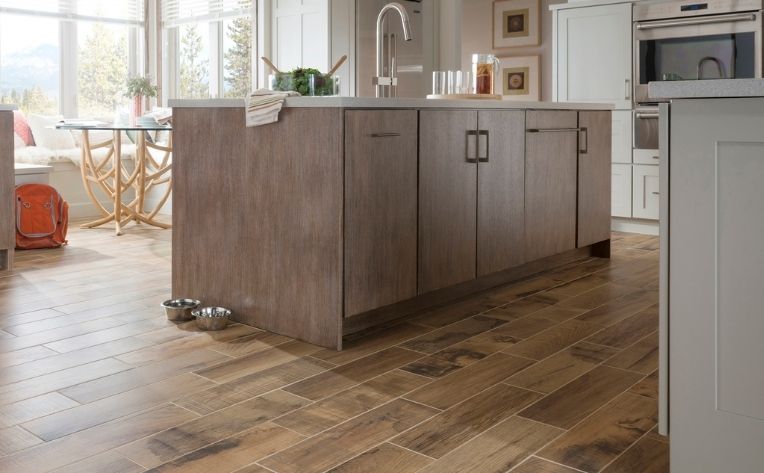
Elegant hardwood floors are many homeowners’ dream, but their hefty price tag, not to mention the upkeep, can have many shoppers looking for a comparable alternative. Thankfully, flooring that looks like wood is achievable! Here are the best options if you’re looking for floors that replicate the look of wood, at a fraction of the cost:
- Luxury Vinyl
- EVP
- Laminate
- Ceramic Wood
Luxury Vinyl
Luxury vinyl continues to grow in popularity as a flooring choice for those searching for that hardwood look at a discount. Sophisticated luxury vinyl flooring is able to look so much like real wood because the top layer of the floors is basically a design layer with a photographic image of wood laid on top. Modern luxury vinyl floors are also made up of more layers than regular vinyl floors, making them more durable and firm. The strong foot-feel of luxury vinyl, coupled with the photo-realism of the print, makes it both look and feel very similar to real wood floors.
EVP Flooring
A subset of luxury vinyl, engineered vinyl plank (EVP) flooring, is luxury vinyl floor made out of—you guessed it—engineered planks. This allows EVP flooring to closely mimic the look of real wood floors. EVP floors are also made out of a more rigid core, so they are known to be more durable than regular luxury vinyl plank floors, and thus are slightly more expensive. Whether for your kitchen, bathroom, or bedroom, EVP is a great option for wood-look floors.
Laminate
Laminate is another great alternative to attain wood-look flooring. Available in both sheet laminate and wood-look-tile form, there are many durable faux wood laminate options on the market that are designed and textured to look like their natural wood counterparts. Even better? Laminate is definitely a cheaper flooring option when compared to real hardwood costs.
Ceramic or Porcelain Wood
Ceramic or porcelain wood, otherwise known as wood-look flooring, is made from ceramic or porcelain powder that is shaped into tiles once the powder is moistened and then solidified. The two materials are very similar, though porcelain wood is considered denser and more durable. Both ceramic and porcelain wood floors are continuing to grow in popularity, and many people love them for outdoor areas.
What's the cost of hardwood floors vs. carpet?
Hardwood vs. Carpet: Cost Comparison & FAQs
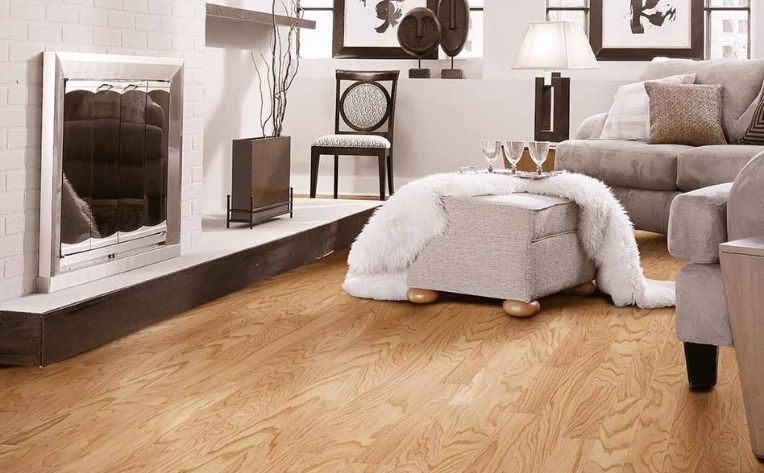
When considering the cost of installing hardwood floors vs. carpet, you need to factor in:
- Price of Raw Materials
- Installation Costs
- Size of Room
- Style Needs
What Brand?
How much your flooring job will cost very much depends on the brand of flooring you choose! For carpet, you can expect to spend anywhere from $2–$11 per square foot, whereas for hardwood flooring cost, you’ll spend about $6–$14 per square foot. As these wide ranges in pricing show, for both carpet and hardwood floors, there are many great brands to choose from depending on if you’re looking for high-end or more budget-friendly floors. Flooring America offers an amazing breadth of choices in both of these flooring types, so no matter where your budget lies, you’ll find the perfect fit.
Installation
The cost to install hardwood floors ranges from about $2,500–$6,000, depending on the size of the room and other factors. And for carpets, it’s about $700–$2,500. Though this may seem like a lot, DIY jobs can be a huge hassle once undertaken, and it’s usually best to leave this very important job to the seasoned professionals! Another thing to remember about hardwood floors: They last forever (well, almost) and have an amazing resale value. Hence, the pricier initial investment.
Area of Home
Obviously, how much of your home you’ll be installing your new floors in will factor into the cost. Though hardwood is technically more expensive than carpet, if you’re installing carpet in a very large living room or basement, it could end up being the same investment as installing hardwood floors in a smaller dining room or study.
Design
Something to consider if you have your heart set on hardwood floors is looking into luxury vinyl. Many modern luxury vinyl floors today closely mimic the look and feel of real hardwood at a fraction of the cost.
Flooring America Is Here
Still unsure whether carpet or hardwood would be the best fit for your living room or bedroom? Talk to the flooring experts at your local Flooring America today. They can walk you through all the brands, and answer any questions you may have about budget, style, and the installation process.