
Is laminate flooring waterproof?
In some cases yes, but not always. Some laminate products on the market that advertise themselves as waterproof but typically laminate floors are not. With more common laminate water can cause major damage, especially if the water soaks into the wood pulp core causing it to expand and damage the rest of the plank and those planks around it. There are many waterproof vinyl plank alternatives to laminate that will perform similar or better than laminate, and resist water damage, at a similar price point.
What is laminate flooring?
Laminate is an affordable, multilayered flooring product made from tightly compressed wood fiber and designed to look like wood, tile or stone. Laminate flooring products typically have four layers: the backing layer, the core layer, the image layer, and the wear layer. The backing can vary depending on the product but is often made of cork, felt or another soft product to allow the laminate to sit comfortably on the floor. The core layer is typically comprised of recycled wood fibers tightly compressed into a dense wood-like core, sometimes referred to as a high-density fiber (HDF) core. The image layer is where the desired look (e.g. wood, stone) is printed onto the product and texture is added through a process called ‘embossing’ to make it feel similar to the material it is made to look like. The wear layer is a clear protective layer manufactured on top of the image layer. The wear layer is often made from aluminum oxide and designed to prevent the floor from scratching or showing excessive wear over time. Higher quality laminate products often boast an extra resilient wear layer that makes the product scratch, dent and fade resistant.
Laminate can be a good choice for many different customers because it offers an affordable way to achieve a desired look, such as hardwood or stone, without having to pay the high material and labor costs for those products. Laminate can be installed at all grades and with a variety of installation methods, including glue down and floating installations, making it a versatile hard surface option.
Because laminate is an artificial product made from recycled wood fiber and not real wood, it often does not have the same level of performance as the wood, stone or tile products it is imitating. Laminate is also a relatively lightweight product and as a result can sometimes feel hollow underfoot. Lower quality laminate can sometimes sound hollow underfoot when walking across it.
How is laminate flooring made?
Laminate flooring is made of multiple layers adhered together and heated in factory settings. Most laminate flooring consists of 4 layers: the backing layer, the core layer, the image layer, and the wear layer. The backing can vary depending on the product but is often made of melamine, cork, felt or another soft product to allow the laminate to sit comfortably on the floor. The core layer is typically comprised of recycled wood fibers tightly compressed into a dense wood-like core, sometimes referred to as a high-density fiber (HDF) core. The image layer is where the desired look (e.g. wood, stone) is printed onto the product and texture is added through a process called ‘embossing’ to make it feel similar to the material it is made to look like. The wear layer is a clear protective layer manufactured on top of the image layer. The wear layer is often made from aluminum oxide and designed to prevent the floor from scratching or showing excessive wear over time. Higher quality laminate products often boast an extra resilient wear layer that makes the product scratch, dent and fade resistant.
How much is laminate flooring?
Laminate Flooring Cost: Budgeting Considerations
When planning a significant home improvement project like installing new flooring, one of the most important factors that’s probably top of mind is budgeting. Understanding the costs associated with your project can help you make well-informed decisions and ensure you get your dream flooring without breaking the bank. In this article, we’ll explore the costs of laminate flooring (and why it works so well on a budget) and offer budgeting tips, all while providing you with the best laminate flooring prices here at Flooring America.Understanding Laminate Flooring
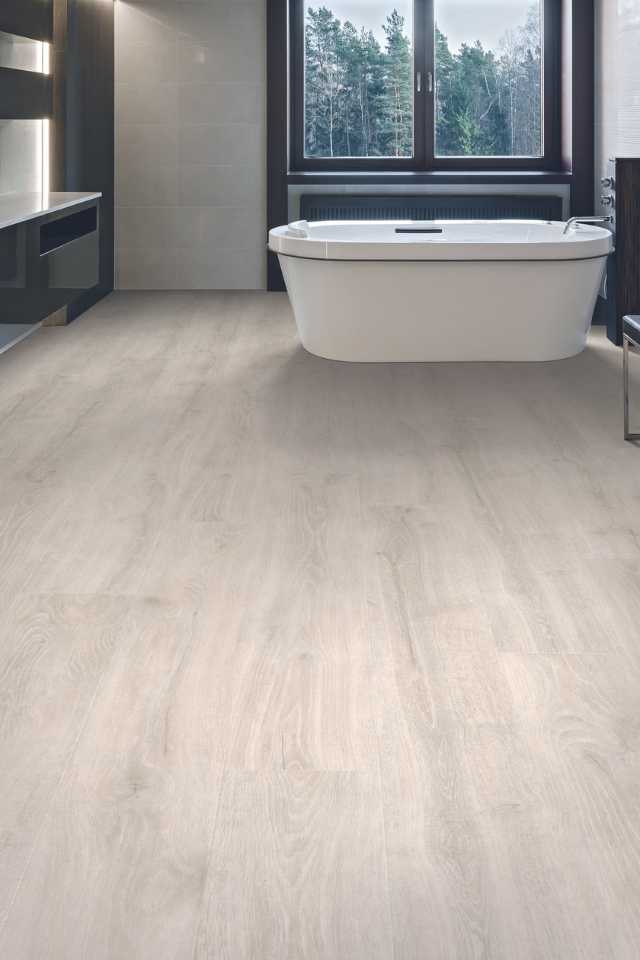 Let’s begin with a basic understanding of laminate flooring. Laminate flooring is an excellent choice for homeowners seeking a durable, stylish, and cost-effective flooring option. It’s versatile, easy to maintain, and available in a wide range of designs that can mimic the look of hardwood, stone, and other more expensive materials.
Comprised of compressed wood material strengthened with resin, laminate flooring has a photorealistic top layer designed to look like authentic wood flooring, natural stone, or tile. With the latest updates in flooring technology, laminate floors are almost indistinguishable from the real thing, mimicking real wood down to the grain pattern and tile flooring down to the texture.
Let’s begin with a basic understanding of laminate flooring. Laminate flooring is an excellent choice for homeowners seeking a durable, stylish, and cost-effective flooring option. It’s versatile, easy to maintain, and available in a wide range of designs that can mimic the look of hardwood, stone, and other more expensive materials.
Comprised of compressed wood material strengthened with resin, laminate flooring has a photorealistic top layer designed to look like authentic wood flooring, natural stone, or tile. With the latest updates in flooring technology, laminate floors are almost indistinguishable from the real thing, mimicking real wood down to the grain pattern and tile flooring down to the texture.
Components of Laminate Flooring Costs
Budgeting for flooring is tricky, which is why we’ve put together a list of laminate flooring costs for you to consider when thinking about the flooring aspect of your home improvement budget. Laminate flooring expenses involve several components, including:- Laminate material costs
- Flooring installation cost
- Additional materials like underlayment and adhesive
- Labor costs, if you’re hiring professionals
- Tools and equipment if you decide to go the DIY route
Cost Factors That Impact Laminate Flooring
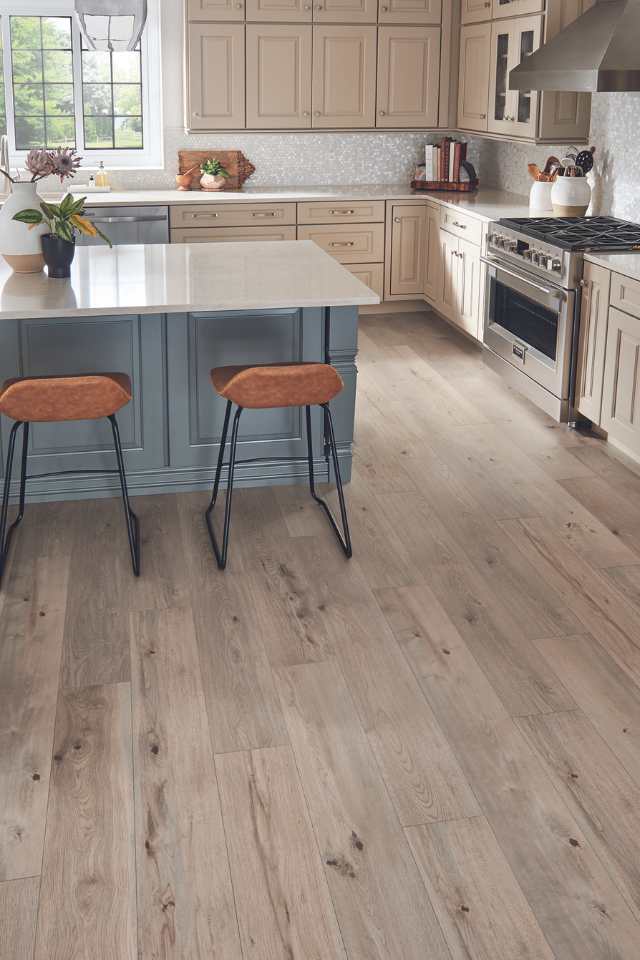 Several factors can influence the overall cost of a laminate flooring project. These include the quality and thickness of the laminate, the size and layout of the room, the flooring design and patterns you choose, the condition of your subfloor, and your selected installation method.
When installing laminate flooring, higher-quality laminates often boast greater durability and a more authentic appearance but come at a premium price. Similarly, thicker laminates tend to be more expensive, but they offer better sound insulation and are generally more resistant to wear and tear.
Depending on the laminate product, you can install laminate flooring through floating floors, glue-down, or pre-glued planks. Each installation method has its own set of expenses and benefits, influencing your total investment in the flooring project.
Several factors can influence the overall cost of a laminate flooring project. These include the quality and thickness of the laminate, the size and layout of the room, the flooring design and patterns you choose, the condition of your subfloor, and your selected installation method.
When installing laminate flooring, higher-quality laminates often boast greater durability and a more authentic appearance but come at a premium price. Similarly, thicker laminates tend to be more expensive, but they offer better sound insulation and are generally more resistant to wear and tear.
Depending on the laminate product, you can install laminate flooring through floating floors, glue-down, or pre-glued planks. Each installation method has its own set of expenses and benefits, influencing your total investment in the flooring project.
Estimating Laminate Flooring Costs
 You can estimate the total cost of your laminate flooring project by using online cost calculators, obtaining quotes from contractors, and accounting for additional expenses like trim, transitions, and unexpected costs. To understand your laminate flooring installation cost comprehensively, start by leveraging online cost calculators. These tools allow you to input specifics about your project, such as the size of the room, the type and thickness of the laminate, and the complexity of the design. They provide a rough estimate based on average prices, giving you a solid starting point for budgeting.
Pro Tip: At Flooring America, we offer free pre-measures to get you started on your project and keep your budget on track.
You can estimate the total cost of your laminate flooring project by using online cost calculators, obtaining quotes from contractors, and accounting for additional expenses like trim, transitions, and unexpected costs. To understand your laminate flooring installation cost comprehensively, start by leveraging online cost calculators. These tools allow you to input specifics about your project, such as the size of the room, the type and thickness of the laminate, and the complexity of the design. They provide a rough estimate based on average prices, giving you a solid starting point for budgeting.
Pro Tip: At Flooring America, we offer free pre-measures to get you started on your project and keep your budget on track.
Budgeting for Your Laminate Flooring Project
 Creating a realistic budget for your project is crucial to ensure a smooth and successful installation. Start by setting your priorities: determine what aspects of the project are most important to you, such as the quality and design of the laminate flooring. Identify non-negotiables that you are unwilling to compromise on, like specific features or warranties. Allocate funds for unforeseen expenses—unexpected costs, such as subfloor repairs or additional materials, can quickly add up, so having a contingency budget is essential.
Tips for Cost-Effective Laminate Flooring
You can get the most out of your budget without compromising quality by shopping for deals, comparing DIY vs. professional installation costs, and considering the long-term maintenance costs. Start by shopping for deals. Here, at Flooring America, we offer seasonal sales and you can easily compare prices online to help you find the best deals on high-quality laminate flooring. Next, while DIY is tempting, especially with something as simple as a click-and-lock laminate floor, hiring a professional might be more economical in the long run. Professional installation ensures a flawless finish and often includes warranties that can save money on future repairs. Lastly, consider the total cost of ownership. This includes not just the initial laminate flooring installation cost but also the expenses associated with cleaning, maintenance, and potential future repairs. Choosing a product with a comprehensive warranty can provide peace of mind and protect your investment over time.Conclusion
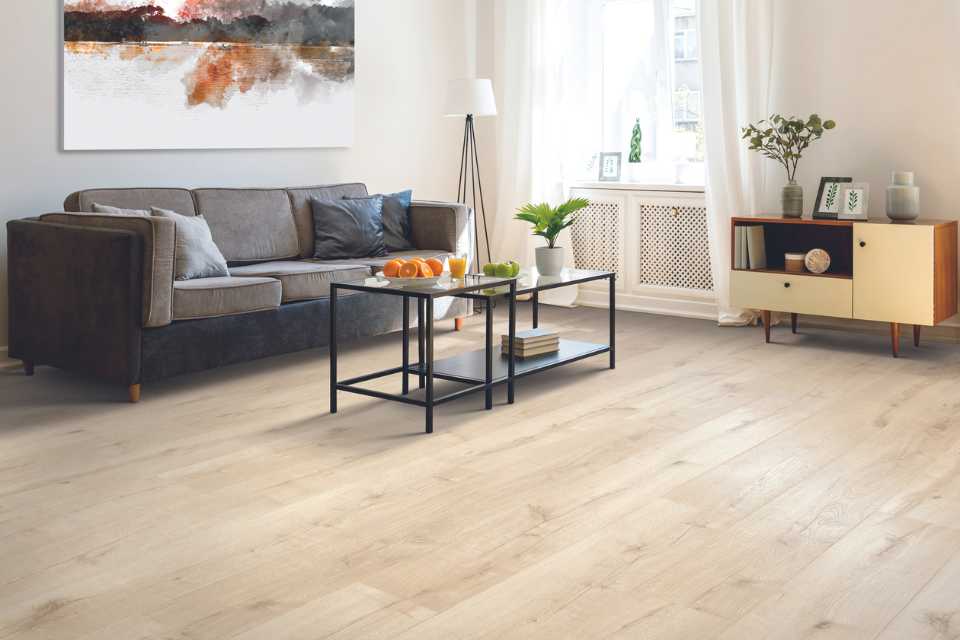 Planning and budgeting for your laminate flooring project is essential to achieving a balance between affordability and quality. Explore our extensive catalog of laminate wood flooring styles, or visit your local Flooring America showroom for more insights and options.
Laminate Floors FAQ
Check out some of the most commonly asked questions about laminate flooring. What Are the Long-Term Maintenance Costs? Most laminate flooring products involve little in the way of long-term maintenance costs. However, it is essential to consider factors such as the quality of the laminate and the manufacturer’s care recommendations. Higher-quality laminate has a thicker wear layer that tends to be more resistant to scratches and stains, reducing the need for frequent repairs or replacements. Regular cleaning with warranty-approved products and immediate attention to spills can also extend the lifespan of your flooring. Additionally, using furniture pads and maintaining stable indoor humidity levels can prevent damage, minimizing maintenance expenses over time. By choosing durable laminate and following proper care guidelines, you can keep long-term maintenance costs to a minimum while enjoying beautiful, lasting floors. Are There Financing Options for Flooring Projects? Yes, Flooring America offers financing options for home improvement projects like laminate flooring installation. We’re here to help you achieve your dream floors with special financing offers that work for your budget. What Are Common Pitfalls to Avoid When Budgeting for Laminate Flooring? Overlooking hidden or unexpected expenses, not setting a budget, misunderstanding product prices, and failing to account for long-term maintenance costs are some common pitfalls to avoid when budgeting for laminate flooring. For more FAQs on laminate flooring, explore our laminate flooring guide.How thick is laminate flooring?
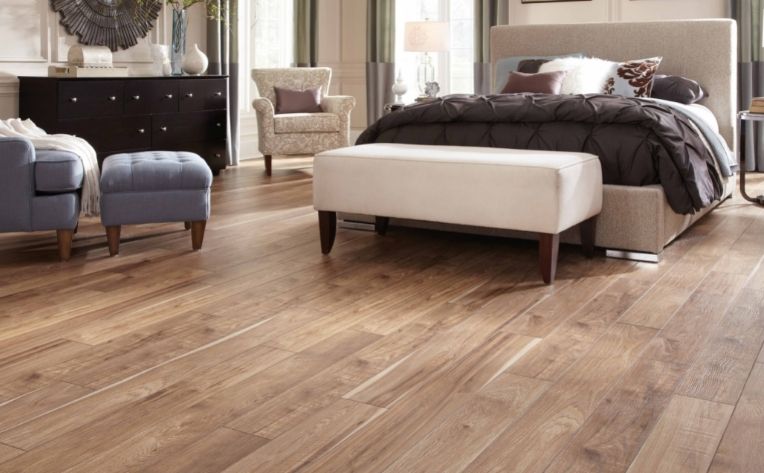
When shopping for laminate flooring, you will notice that laminate comes in different thicknesses, ranging from 6 to 12 millimeters (mm). Laminate flooring gets its name from the lamination process it undergoes, sealing multiple layers of synthetic material together. This hardwood floor lookalike is durable and affordable.
How to Measure
To measure laminate thickness, start at the board’s base and move to the top using millimeters. Although some boards come with the pad component attached, it shouldn’t be part of the measurement. The padding isn’t included because it’s not technically part of the board’s construction. It isn’t unusual for sales associates to have the pad thickness in the measurement, so it’s even more important to know this when shopping.
The Laminate Layers
Laminate has four layers of construction: wear, design, core, and back layer. Each layer serves a distinct purpose and is fused using high heat and intense pressure. Below is a detailed breakdown of these layers.
- Back layer: bottom layer responsible for protecting the plank against moisture and balances the floor
- Core layer: above the back layer is a durable, high-density board that protects from indentations and moisture
- Design layer: above the core layer, it has a high-resolution photograph of the floor’s surface appearance
- Wear layer: top layer, a transparent layer of aluminum oxide that protects against fading, stains, and surface burns
Does thicker laminate provide benefits?
The thickness of the laminate is essential because it contributes to the look and feel of the flooring. Thicker laminate feels more like hardwood flooring underneath your feet. It also allows for more detail as etching creates a more realistic wood imitation. Thicker laminates have less echo and can weather strong impacts, making them more durable. Lastly, thicker laminate can be more forgiving when installing and dealing with subfloor imperfections.
What is the ideal laminate thickness?
Higher quality laminate that looks the most like hardwood flooring will be 10 to 12 mm thick and have a higher price tag. If you are looking for a more affordable option, try laminate that’s 7 to 8 mm thick, which will perform well if the subfloor is smooth and even.
Is Pergo laminate?
In terms of pricing, Pergo flooring is right in the industry average, ranging from $2.50-$3.00 a square foot.
Water resistance Although Pergo is laminate, it is not waterproof. However, it is water-resistant, giving Pergo floor owners a 30-minute period to clean up spills without leaving lasting damage. Durability Part of what makes Pergo laminate desirable to many homeowners, especially those with kids and pets, is the durability it boasts, being both stain-proof and dent-resistant.Can you match hardwood floors to laminate?
In short, no, you shouldn’t try to match hardwood floors to laminate. Understanding which flooring material you can and can’t mix is important to achieving your best-designed home.
Repairs
If you have existing laminate flooring and need to repair a small section, it is not wise to try and patch it up with hardwood flooring. Instead, it would be best to replace that section with the same material as the rest of the floor. Using hardwood instead of the original laminate can leave you with an uneven surface and mismatched design.
Room Transitions
If you have an open concept or two spaces close together and try to match an existing hardwood floor with laminate, the room will look choppy and disjointed. If you find a laminate product you like, we recommend a stone-look option instead of going with a wood-look option. This will allow you to separate the two spaces without the two flooring materials looking slightly off. If you are transitioning between rooms, make sure to use end molding, so it feels smooth going from one space to the next.
Match Undertones
If you are in a situation where you must mix flooring materials, we recommend matching the undertones of the different floorings. This will allow the materials to blend more easily and give the space more cohesion.
Accessories
If your home or apartment has two different flooring materials and installing new floors isn’t an option, you can use area rugs, art, wall colors, and décor items to cohesively tie together your space.
What does laminate flooring look like?
Laminate flooring comes in tons of different style, but most of the time it mimics the look of hardwood and tile flooring. The top layer of laminate flooring, known as the wear layer, is a protective layer that helps reduce damage like scratches and stains. Under the wear layer is the design layer which is a high-resolution photograph. This is the part of the laminate that determines what the flooring will look like. Often higher-quality and more expensive types of laminate look more like the flooring material they are mimicking.
There are additional layers that don’t affect the look but are also important to consider when buying laminate flooring. Beneath the design layer is the core layer that protects from indentations and moisture. Finally, under that is the back layer that further protects the plank against moisture and balances the floor.
What is tongue and groove laminate?
If you’re looking to save some money and install the floors yourself, tongue and groove laminate floors are a great option. Although most tongue and groove style laminates are simple, some take a little bit more effort to get that perfectly gap-less lock. Overall, tongue and groove laminate is a great alternative to other types of laminate flooring that may require floors to be glued to the subfloor, which can get messy.
Unless the tongue or groove is damaged, each plank will fit seamlessly one after another to create a beautiful floor. If there is any damage to either the tongue or the groove and they are installed improperly, it could lead to an unstable floor. Because of the locking mechanism between planks, there is also an opportunity for moisture to creep in if the floor isn’t installed properly. Moisture between the boards can cause the laminate to shrink and expand throughout the year, which can also create an unstable floor. Understanding the humidity in your area is an important factor when deciding whether or not tongue and groove laminate is right for your home. We recommend consulting with a professional sales associate at Flooring America to find the best laminate for your space.